If you live with multiple chemical sensitivity, you already know that a standard HEPA box does almost nothing for the symptoms that actually hurt you. Fragrance from a neighbor's dryer vent, formaldehyde off-gassing from new cabinetry, pesticide drift, paint, ink, glue, gasoline fumes tracked in on shoes — these are gas-phase pollutants, and they slip straight through paper filters. The Austin Air HealthMate Plus for chemical sensitivity MCS sufferers is the unit most environmental medicine clinicians, MCS support groups, and building-biology consultants point to first, because it pairs a true medical-grade HEPA with 15 pounds of activated carbon and zeolite specifically blended to capture volatile organic compounds and the chemical irritants that trigger MCS reactions.
Below is an honest 2026 buying guide written for people whose nervous systems treat ordinary indoor air as a threat. We will look at what makes the HealthMate Plus the gold standard, where it falls short, and a handful of HEPA-plus-carbon alternatives that may bridge a gap while you save for the Austin or supplement coverage in a second room.
Why the Austin Air HealthMate Plus is the default recommendation for MCS
Most consumer air purifiers carry between 0.5 and 2 pounds of carbon — enough to nudge cooking odors, not enough to scrub the chemical load a sensitized person can detect at parts-per-billion levels. The HealthMate Plus carries 15 pounds of activated carbon and zeolite, impregnated with potassium iodide to improve adsorption of formaldehyde and other low-molecular-weight VOCs that plain carbon misses. That mass is the entire point. For someone with MCS, the difference between 2 lbs and 15 lbs of media is the difference between symptomatic and functional.
Other reasons the austin air healthmate plus for chemical sensitivity mcs sufferers remains the benchmark in 2026:
- All-steel housing with a baked-on powder coat that does not off-gas. Plastic housings are non-starters for many MCS sufferers; the smell of new ABS is itself a trigger.
- True HEPA rated 99.97% at 0.3 microns, plus a pre-filter and medium-particle stage, so particulate and gas-phase pollutants are addressed in one pass.
- 5-year prorated filter life on the main cartridge. You are not changing media every 6 months and re-exposing yourself to packaging off-gas.
- 5-year mechanical warranty and lifetime tech support.
- 1,500 sq ft of coverage at lower fan speeds, meaning you do not need to run it on a noisy high setting to keep a bedroom clean.
The downsides are real and worth naming. The unit weighs about 47 lbs, costs over $800, and the carbon cartridge itself can have a faint metallic or carbon scent for the first 24–72 hours — many MCS users "out-gas" a new unit in a garage or porch before bringing it indoors. For some severely sensitized individuals, the powder-coat steel still requires a brief break-in period.
Quick-reference comparison: HealthMate Plus vs. mainstream HEPA purifiers
The table below shows where the Austin sits versus widely available HEPA-plus-carbon purifiers. Note: none of the mainstream consumer units are intended as a clinical-grade MCS solution. They are listed as supplementary coverage for secondary rooms, transitional use, or households that share space with an MCS sufferer.
| Model | Carbon weight | True HEPA | Housing | Coverage | Best use for MCS households |
|---|---|---|---|---|---|
| Austin Air HealthMate Plus | ~15 lbs (carbon + zeolite + KI) | Yes, medical-grade | All steel, powder coat | ~1,500 sq ft | Primary unit for sensitized person |
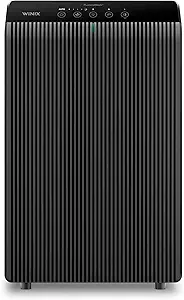
| WINIX 5510 | ~0.5 lb pellet carbon | Yes | Plastic | ~360 sq ft | Secondary room, particulates + light VOC |
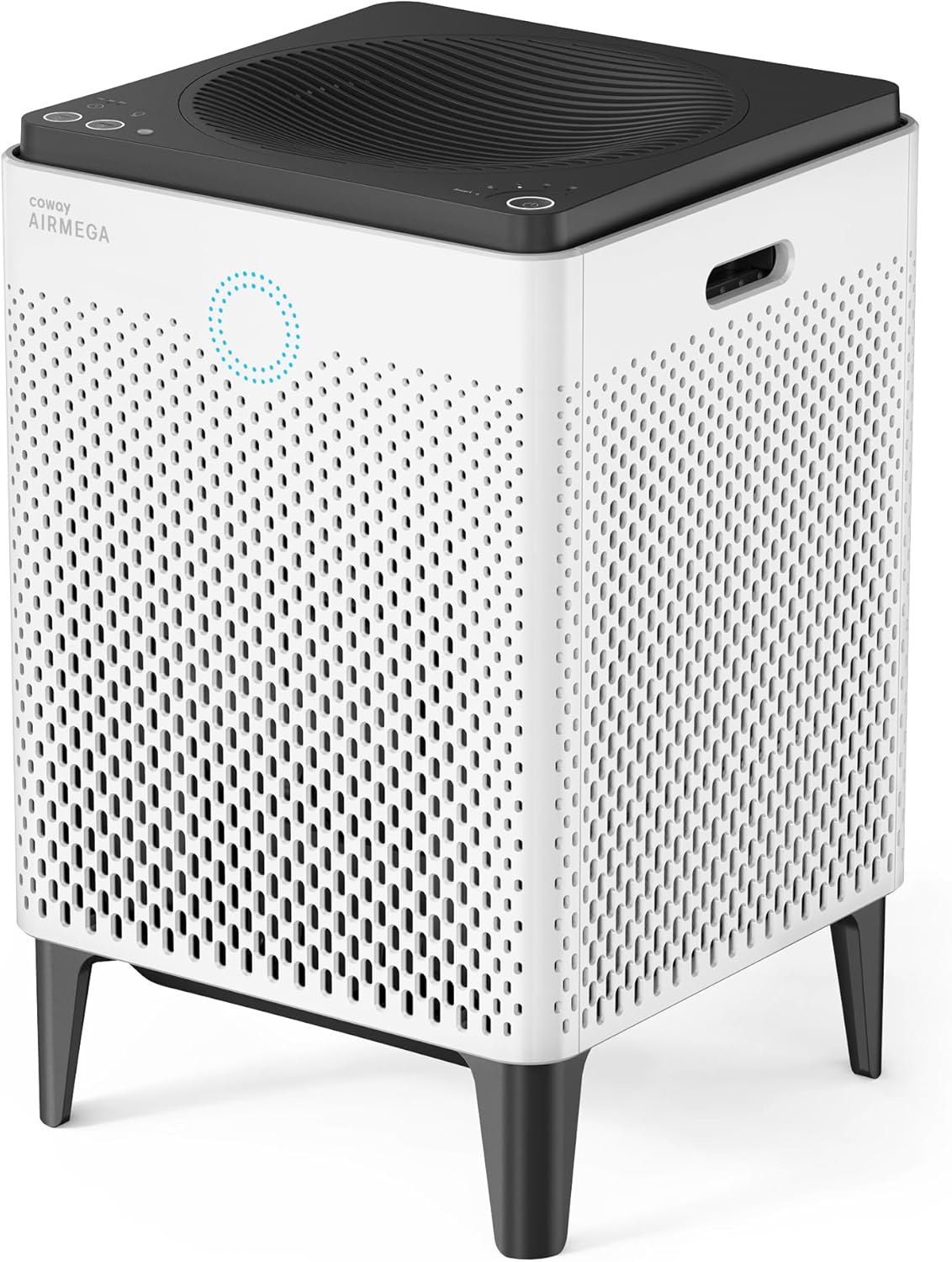
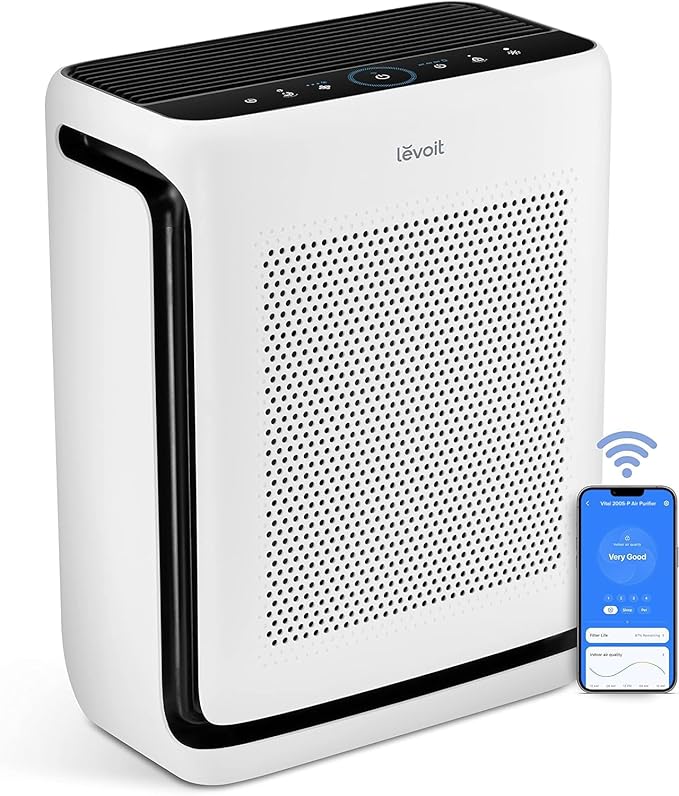
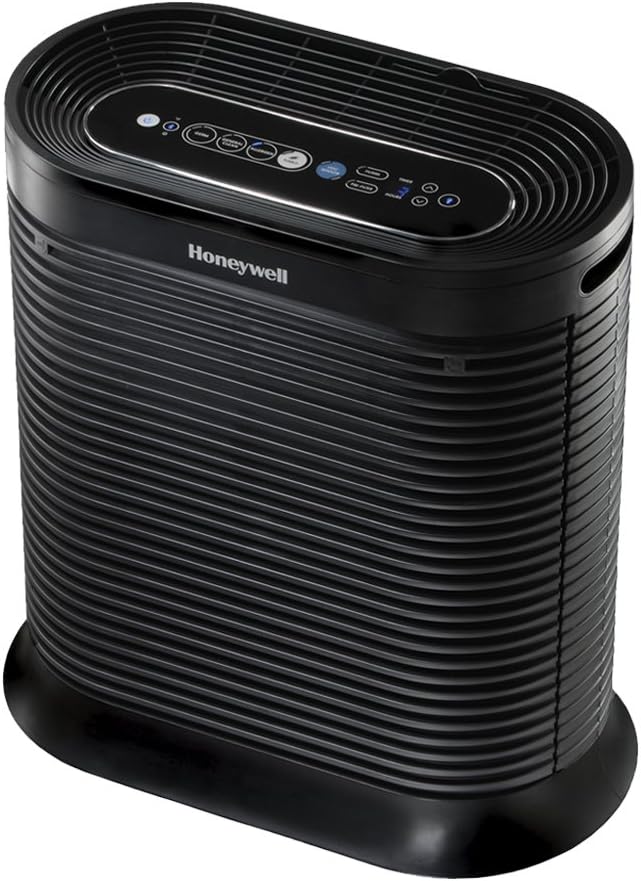
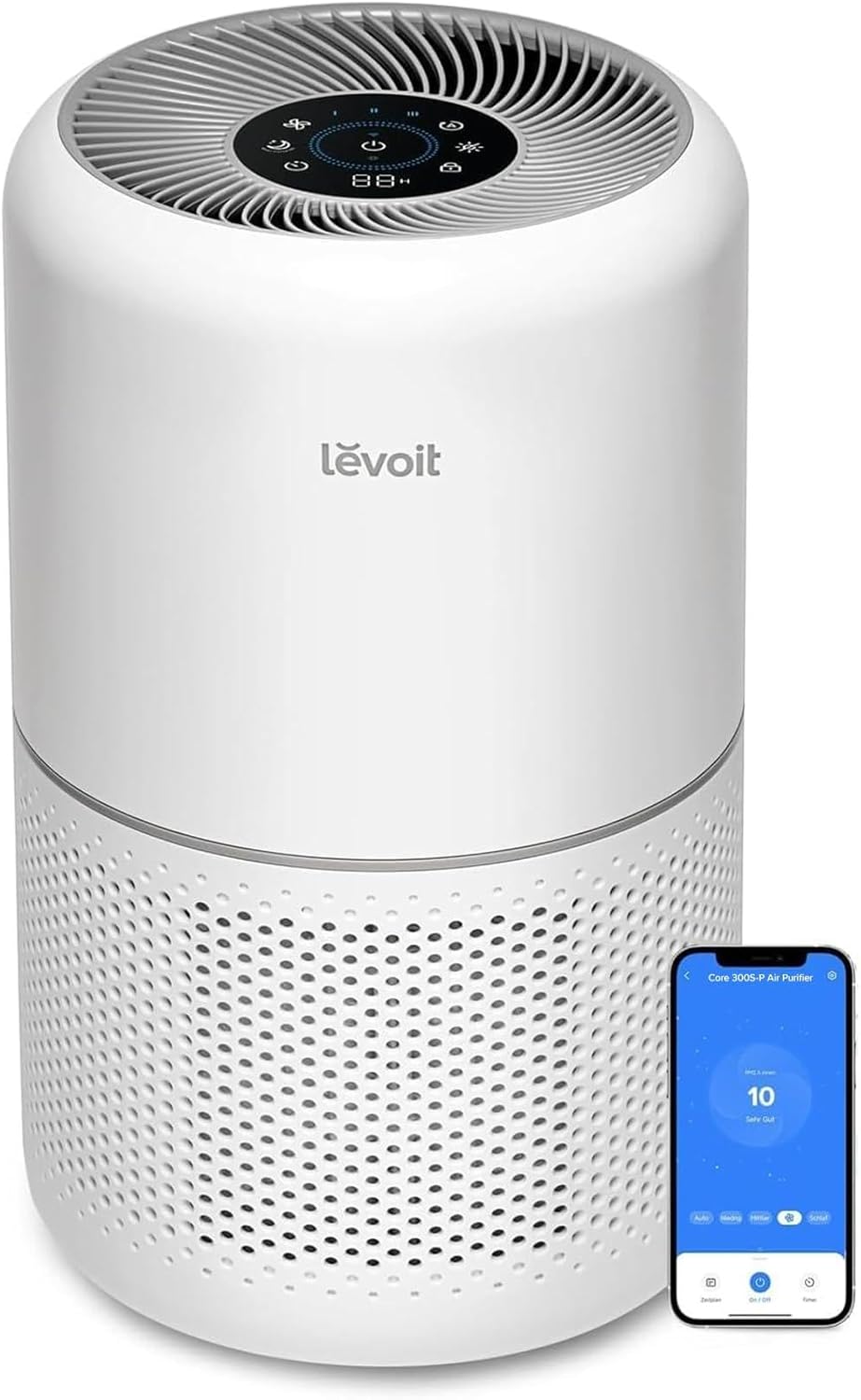
| LEVOIT 1875 ft² | Thin carbon layer | Yes | Plastic | ~1,875 sq ft | Shared living areas, particulate-dominant |
| EVALIT 2200 ft² | Thin carbon layer | Yes | Plastic | ~2,200 sq ft | Large open spaces, smoke + dust |
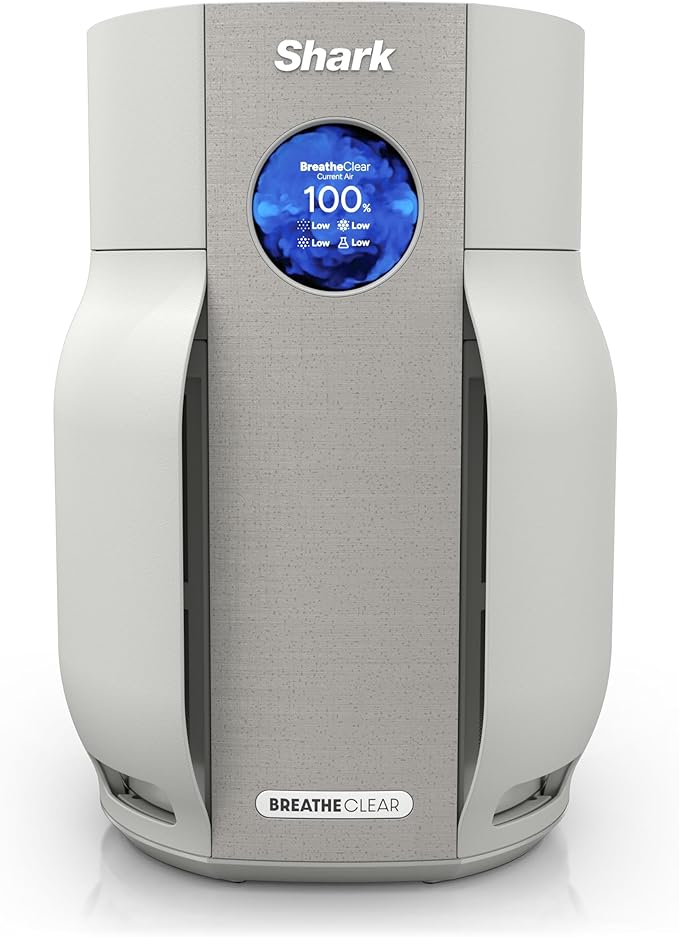
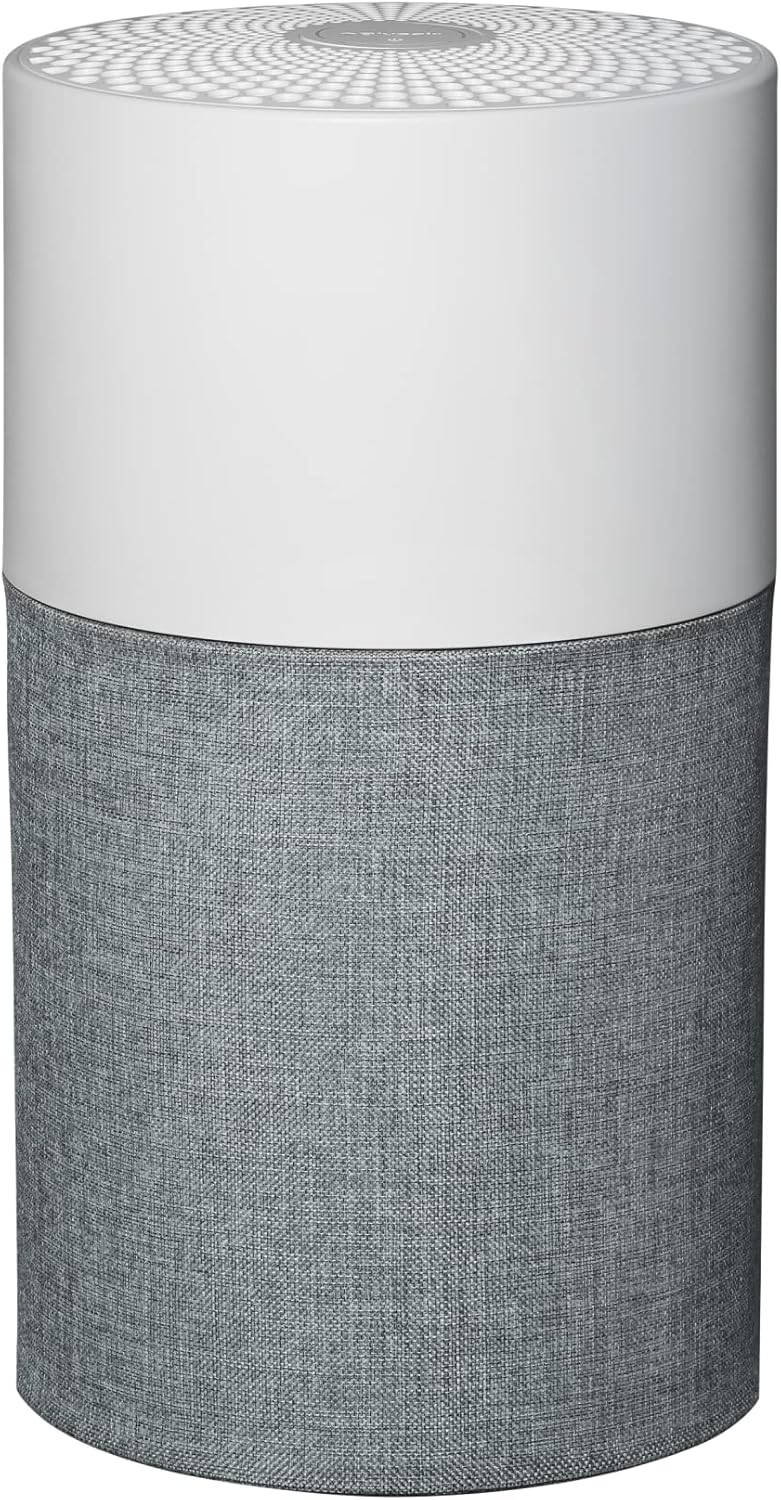
| Shark BreatheClear NeverChange | Carbon + HEPA stack | Yes | Plastic | Large room | Hands-off household use |
| Double Air Intake 3000 ft² | Carbon layer | Yes | Plastic | ~3,000 sq ft | Whole-floor particulate coverage |
Austin Air HealthMate Plus — the MCS gold standard
If you can afford one purifier and you have diagnosed or suspected MCS, this is the unit. The 15 lbs of carbon-zeolite blend is specifically engineered to adsorb formaldehyde, benzene, toluene, xylene, ammonia, and the long tail of trace VOCs that drive sensitivity flares. The all-metal cabinet means you are not introducing fresh plastic outgassing into the room you are trying to clean. Place it in the bedroom first — sleep is where your nervous system resets, and clean overnight air does more for MCS recovery than any daytime intervention. Austin Air sells direct and through authorized clinical dealers; it is not available on the affiliate marketplace below, so we have not embedded a link. Buy directly from a reputable holistic-medicine retailer or the manufacturer to ensure you get a sealed, recently manufactured unit.
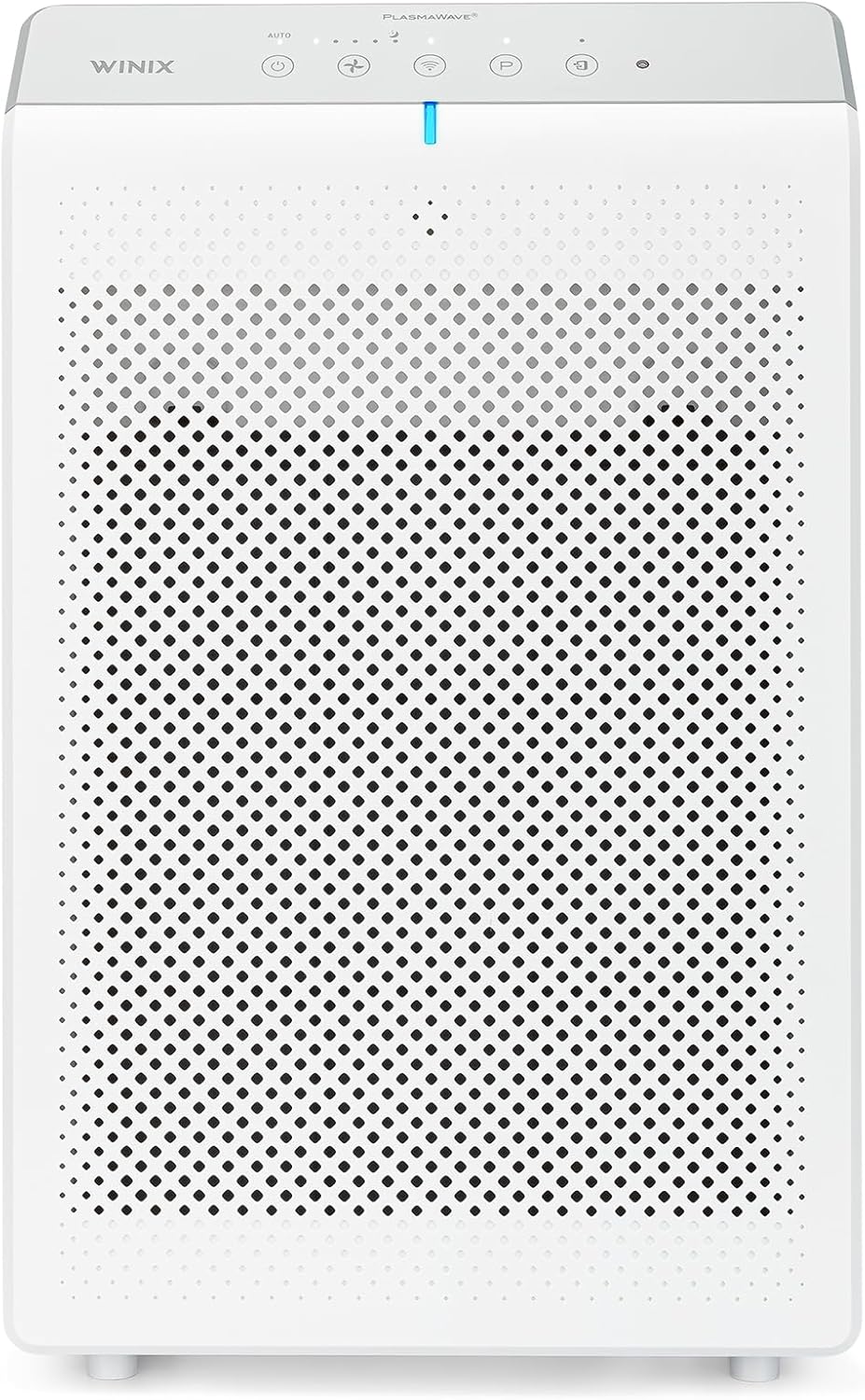
WINIX 5510 — best supplementary HEPA-plus-carbon for a secondary room
The 5510 is the 2026 successor to the WINIX 5500-2 and is the most defensible "second purifier" for an MCS household. It has true HEPA, a genuine pelletized carbon stage (not just a sprayed scrim), and PlasmaWave can be switched off entirely — critical for sensitized users who do not tolerate any form of ionization. App support lets a non-sensitized partner manage the unit without bringing fragranced hands near it. Use it in a home office or a child's room while the Austin handles the bedroom.
Check the WINIX 5510 on Amazon
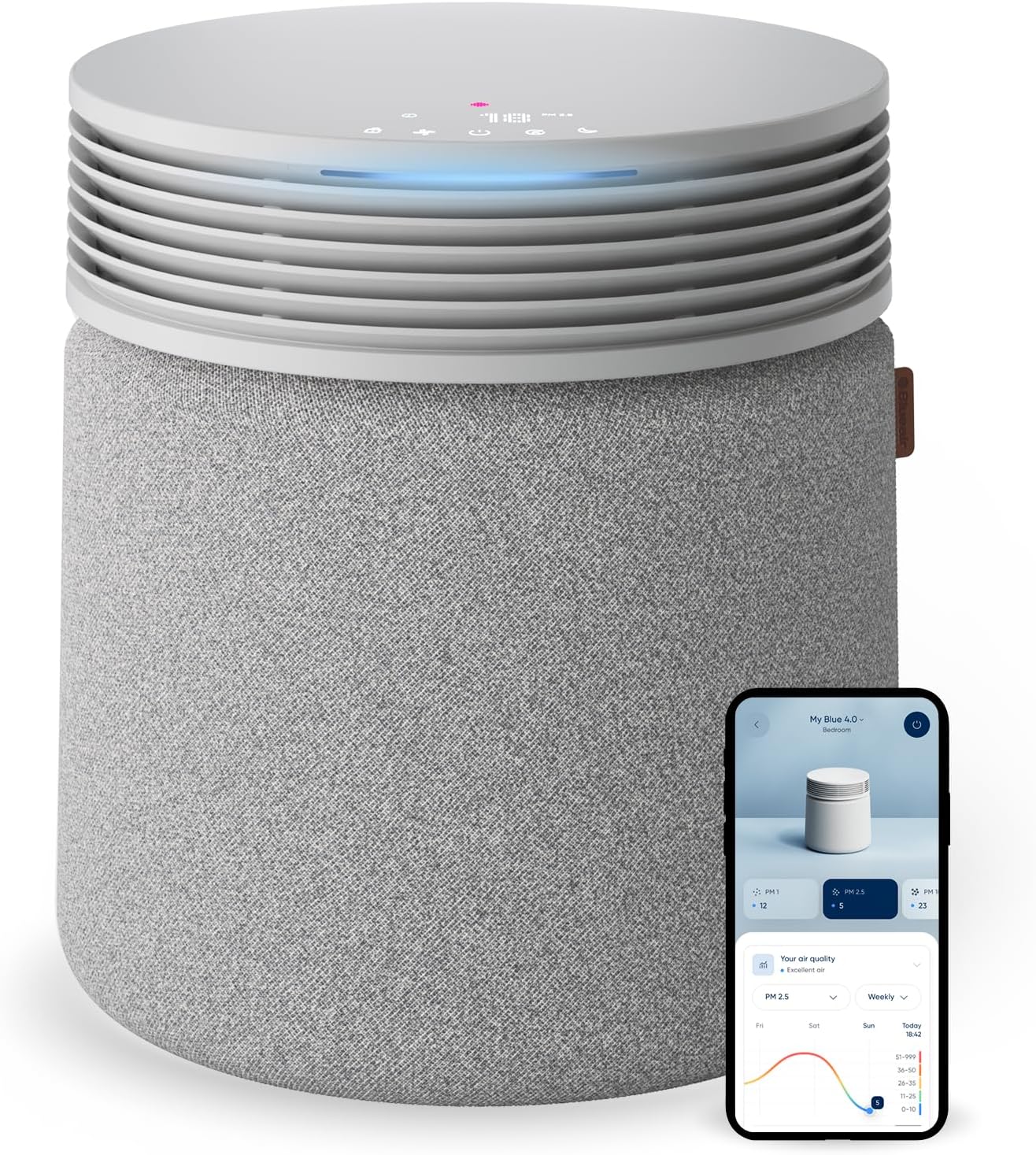
LEVOIT Large Room (1875 ft²) — best for shared living areas
The LEVOIT large-room unit is not an MCS-grade purifier, but it moves a lot of air and the HEPA stage is genuine. If your household includes people who use scented laundry products, hair products, or who track outdoor pollutants inside on clothes, running this in the living room and entryway reduces the cross-contamination load that eventually reaches the bedroom where the Austin works. Pair it with a strict shoes-off, change-of-clothes-at-the-door protocol.
Check the LEVOIT large-room purifier on Amazon
Shark BreatheClear NeverChange — lowest-maintenance backup
For severely sensitized users, opening packaging and handling new filters is itself a trigger event. The Shark BreatheClear's NeverChange architecture extends service intervals dramatically, meaning fewer fresh-filter exposures per year. It is not a substitute for an Austin in your primary room, but as a household secondary in a guest area or basement, it minimizes the maintenance-related symptom flares that drive many MCS sufferers to abandon perfectly good purifiers.
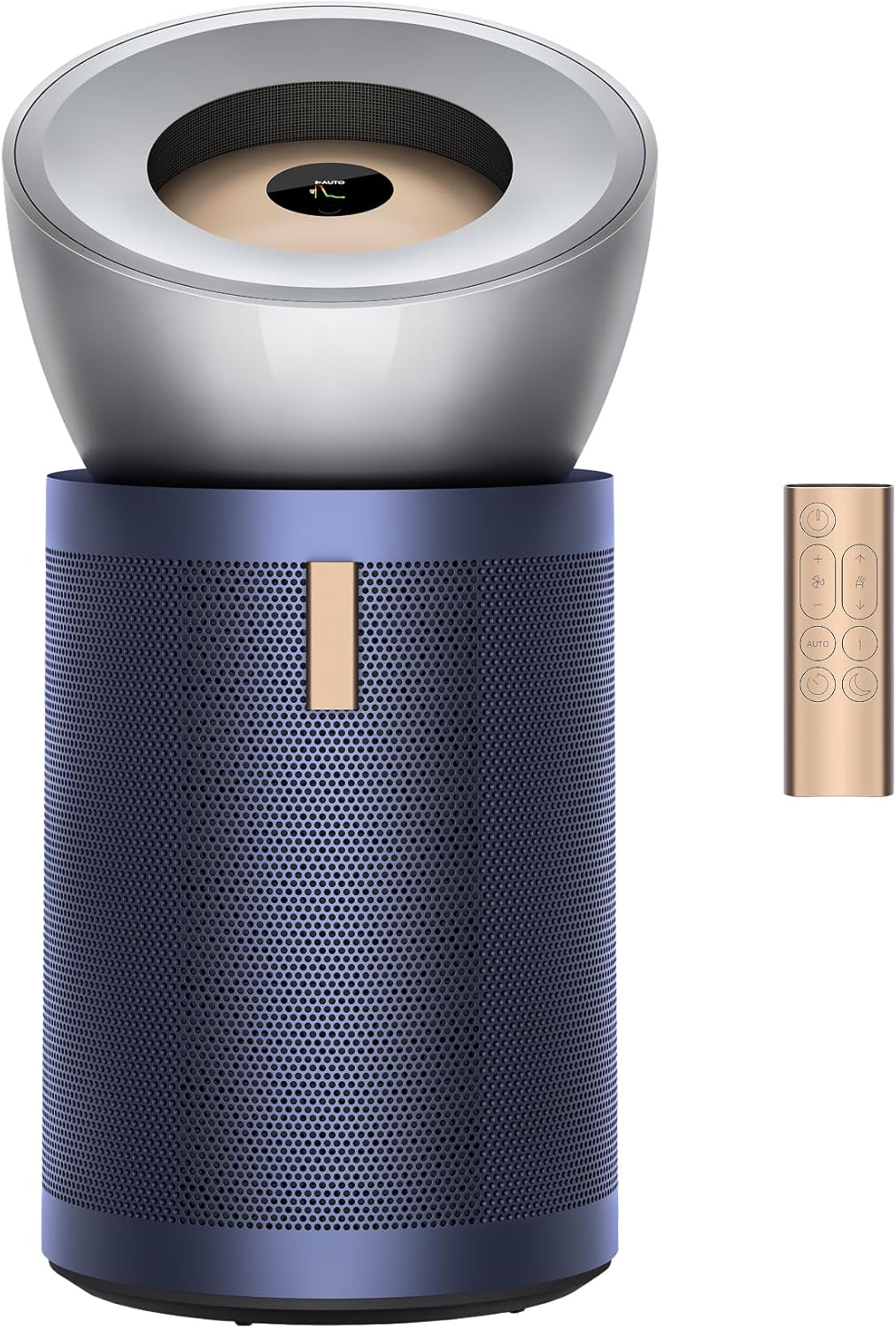
Check the Shark BreatheClear on Amazon
How to deploy purifiers if you have MCS
Equipment alone does not get someone with MCS to functional. Deployment matters as much as the unit itself.
- Out-gas everything before it enters your safe room. Even the Austin's carbon cartridge benefits from 24–72 hours in a garage or covered porch before installation. New plastic units may need a week.
- Bedroom is priority one. The austin air healthmate plus for chemical sensitivity mcs sufferers goes here. Run it 24/7 on medium. Quiet enough to sleep through, fast enough to scrub overnight intrusion of outdoor air.
- Source control beats filtration. No scented products in the household. No vinyl flooring, no new pressed-wood furniture, no plug-in fragrances, no dryer sheets. Filtration is the last line of defense, not the first.
- Seal the envelope. Weatherstrip doors and windows. Run the bedroom purifier with the door closed and a towel at the threshold. You are creating a positive-pressure clean zone.
- Replace HVAC filters with MERV 13 or higher and consider an in-duct carbon panel if your furnace can handle the static pressure drop.
- Track triggers. A simple symptom log paired with an inexpensive VOC meter (e.g., a uHoo or Awair) reveals which exposures actually drive reactions. Subjective symptoms plus objective ppb readings is the workflow that lets you target interventions instead of guessing.
For more on building a low-tox indoor environment, see our guides on the best air purifier for formaldehyde off-gassing and Austin Air vs. IQAir MultiGas for VOCs.
What the Austin Air HealthMate Plus will NOT do
It is important to set expectations, because MCS forums are full of disappointed buyers who expected miracles.
- It will not remove mold spores in real time from a wet building. If you have active mold in walls, the only fix is remediation. The purifier addresses spores in air, not the source.
- It will not protect you from a fragranced visitor. A single person wearing dryer-sheet-scented clothes can saturate a 1,500 sq ft room faster than any purifier can scrub it. Source control — a clean-clothes change for visitors — is non-negotiable.
- It will not last forever. The carbon saturates. In high-VOC environments (new construction, wildfire smoke regions, urban traffic) you may need to replace the cartridge in 2–3 years instead of the rated 5.
- It will not help if it is running in the wrong room. Where you spend the most time — typically the bedroom — is where it lives. Common areas come second.
If you are still narrowing options, our review of the best HEPA air purifiers with activated carbon in 2026 walks through ranked alternatives by carbon weight, not just CADR.
Frequently Asked Questions
Is the Austin Air HealthMate Plus actually different from the regular HealthMate for MCS?
Yes. The standard HealthMate has the same 15 lbs of carbon-zeolite, but the Plus adds potassium iodide impregnation that significantly improves capture of formaldehyde and a broader range of low-molecular-weight VOCs. For diagnosed MCS, the Plus is the correct version. The cost difference is small relative to the symptom benefit.
How long does it take to off-gas a new Austin Air HealthMate Plus before bringing it indoors?
Most MCS users report 24–72 hours of running the unit in a garage, screened porch, or other ventilated non-living space resolves the initial carbon and powder-coat scent. Highly sensitized individuals may want a full week. Run it on high during this break-in period so the fresh carbon stabilizes.
Can the Austin Air HealthMate Plus handle wildfire smoke and chemical sensitivity at the same time?
Yes. The medical-grade HEPA captures PM2.5 from smoke while the carbon-zeolite blend handles the gas-phase combustion byproducts (acrolein, formaldehyde, benzene) that cause symptoms even after particulate counts drop. During heavy smoke events, run on high and seal the envelope of the room.
What is the cheapest way to get MCS-grade air filtration without an Austin Air?
Honestly, there is no truly cheap substitute. A DIY approach using a box fan, a MERV 13 filter, and 4–6 inches of bulk activated coconut-shell carbon in a sealed plenum can approximate the function at perhaps a quarter of the cost, but build quality, off-gassing of materials, and replacement logistics make it impractical for severely sensitized users. The WINIX 5510 plus an in-duct carbon panel is the most defensible budget path.
Will an air purifier help with chemical sensitivity caused by new furniture or cabinetry?
Partially. The HealthMate Plus will reduce ambient VOC concentrations meaningfully, but it cannot keep up with active off-gassing from a freshly installed kitchen of MDF cabinets. Bake-out (running heat plus ventilation for several days) before re-occupying the space, combined with continuous purification, is the protocol. Solid wood and zero-VOC finishes are the long-term answer.
Does the Austin Air HealthMate Plus emit any ozone?
No. It is a purely mechanical HEPA-plus-adsorption design with no ionizer, no UV, no PCO, and no plasma stage. This is one reason it is the default for MCS — every "active" purification technology has been associated with symptom flares in sensitized individuals. Mechanical filtration only is the safe path.
How often do I really need to replace the filter in an MCS scenario?
Austin rates the cartridge at 5 years prorated, but real-world life in an MCS household depends on VOC load. If you are in new construction, near wildfires, or in an urban core, plan on 2–3 years. A useful tell: if a previously controlled trigger (a partner's hair product, off-gassing electronics) starts producing symptoms again at the same exposure, the carbon is saturated.
Key Takeaways
- Choosing the right austin air healthmate plus for chemical sensitivity mcs sufferers means matching capacity and output ports to your actual devices
- Always check actual watt-hours (Wh), not just watts — runtime depends on Wh, not peak output
- Also covers: austin air healthmate plus mcs
- Also covers: best purifier for multiple chemical sensitivity
- Also covers: austin air vs iqair multigas mcs
- Compare price-per-Wh across models to find the best value for your budget