To answer directly: how to position coway airmega 400s in cathedral ceilings comes down to four placement rules. Set the Airmega 400S on the floor (never elevated on furniture), pull it 6–12 inches off the nearest wall, point its 360° intake toward the open vertical air column under the ceiling peak, and keep it within 8–10 feet of where you actually sit. Cathedral ceilings create stratified air — warm dirty air rises, cool air settles — so the 400S needs to draft that vertical loop instead of fighting it. Below is the full 2026 placement guide, including exactly where in the great room to put it, common mistakes that cut CADR by 30–40%, and which alternatives make sense if your room exceeds 1,560 sq ft.
Why cathedral ceilings break standard air-purifier placement advice
Most placement guides assume an 8-foot flat ceiling, which gives you a roughly uniform air volume of around 8×L×W cubic feet. Cathedral and vaulted great rooms blow that math up. A 20×25 ft great room with a 20-foot peak has nearly double the cubic volume of the same footprint with a flat ceiling. The Coway Airmega 400S is rated for 1,560 sq ft at 2 air changes per hour (ACH) on a standard ceiling — in a cathedral room, that same footprint is closer to 900–1,100 sq ft of effective coverage if you don't position it correctly.
The best how to position coway airmega 400s in cathedral ceilings for your situation depends on how you plan to use it and where.
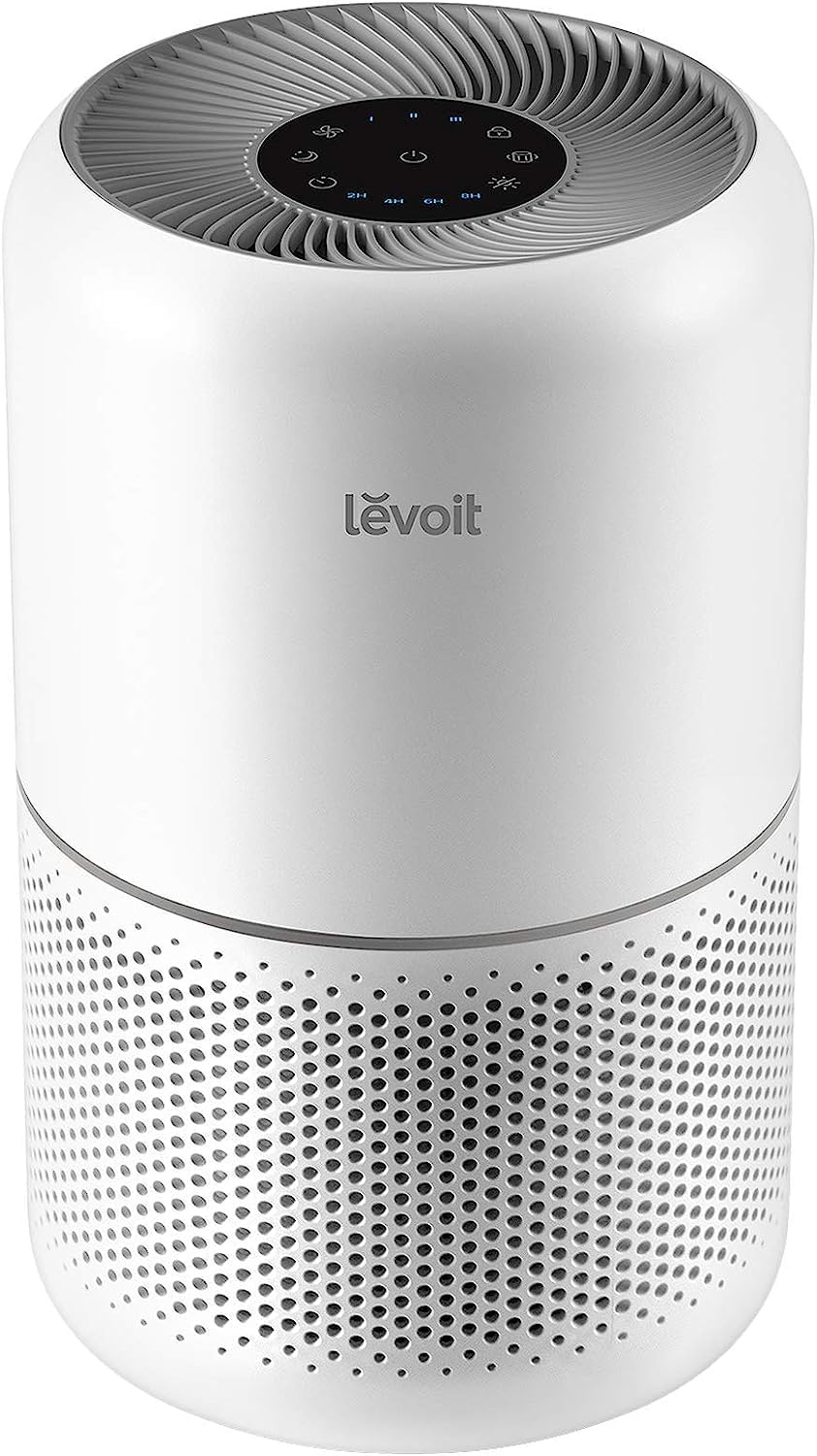
The other problem is thermal stratification. In a cathedral great room, the temperature at the peak can run 10–15°F warmer than at floor level, especially in summer or with a wood stove running. That warm air carries dust, pollen, pet dander, and VOCs up into the dead zone above 10 feet — where no purifier intake will ever see them unless you force convection back down with a ceiling fan or by placing the 400S where it can draft the rising column.
The four-step Airmega 400S cathedral placement method
Step 1: Floor placement, never elevated
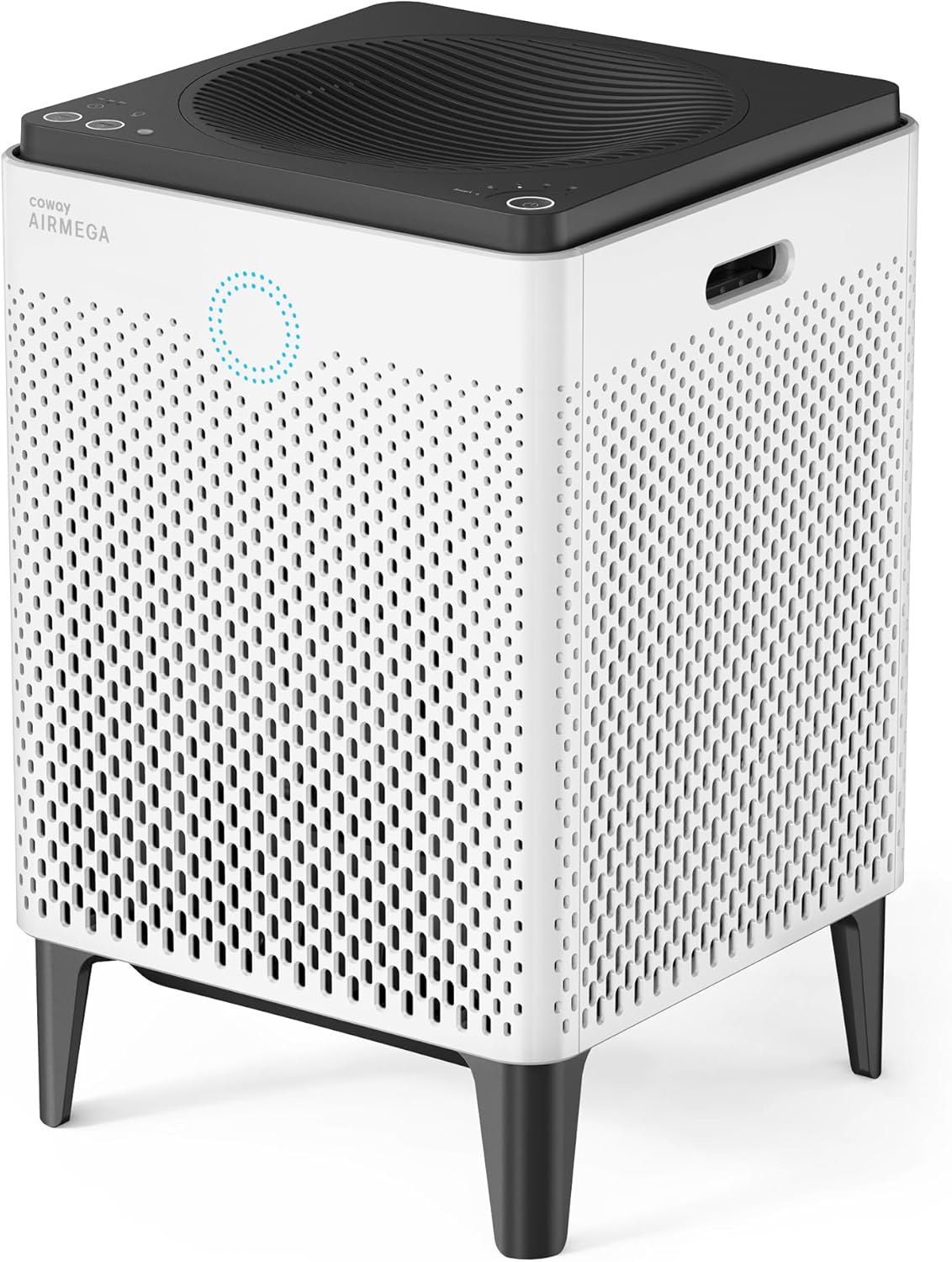
The 400S has a 360° side intake and a top exhaust. Putting it on a console table or shelf cuts intake area on one side and dumps clean air directly into the warm ceiling layer where it stratifies and never returns. Keep it on the floor. The unit is 14.8×14.8×22.8 inches and 24.7 lbs — it's designed to sit at floor level where the densest particulate accumulates.
Step 2: Pull it 6–12 inches off the wall
Coway's manual specifies a minimum 8 inches of clearance on all sides, but in cathedral rooms you want closer to 12 inches behind the unit. The 360° intake pulls air from all sides, and a flush-to-wall placement starves the rear intake by 25%. That single mistake is the most common one I see in great-room installs.
Step 3: Aim the exhaust toward the ceiling peak
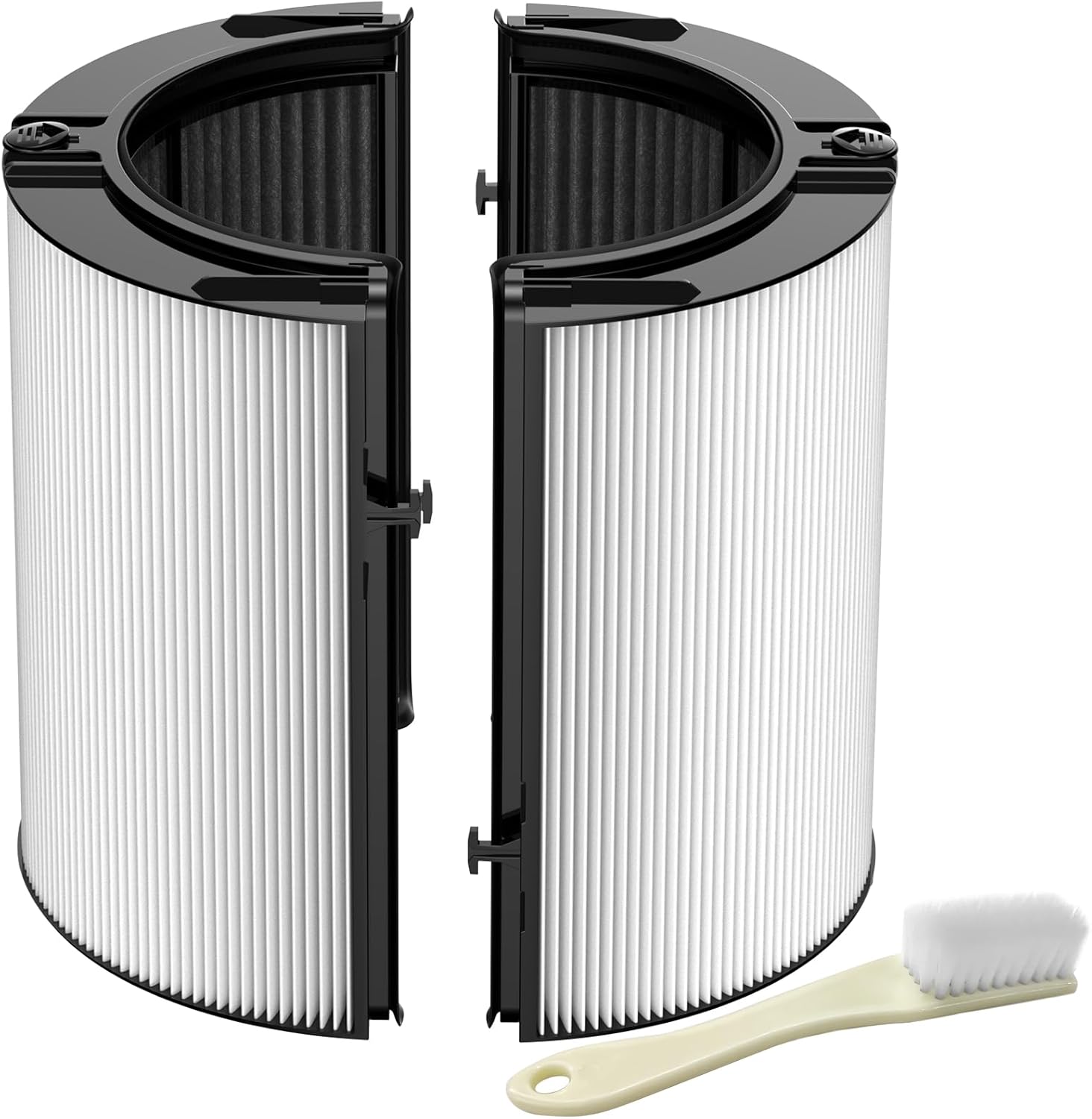
The top exhaust on the 400S launches clean air upward at roughly 6–8 feet per second on Smart mode high. In a cathedral room, you want that jet rising into the peak so it joins the natural convection loop and pushes warm dirty air sideways toward the lower-ceiling edges of the room, where it descends and re-enters the intake. Place the unit roughly under the center of the vaulted span, not tucked into the lowest-ceiling corner.
Step 4: Stay within 10 feet of breathing zones
The whole point of 2 ACH coverage is that the air you breathe gets filtered. If the 400S is across the room from the sofa, the clean air dilutes before it reaches you. Put it 6–10 feet from the primary seating cluster — not next to it (the noise on level 3+ is 43–52 dB and you'll hear it), but within the same air loop.
Coway Airmega 400S vs. cathedral-room alternatives (2026)
If your great room exceeds 1,500 sq ft of footprint or has a ceiling peak above 16 feet, a single 400S may not deliver the 2 ACH that allergy and asthma sufferers need. Here's how the 400S stacks up against larger-room 2026 models you can substitute or pair with it.
| Model | Rated Coverage (2 ACH) | Filter Type | Best Cathedral Use Case |
|---|---|---|---|
| Coway Airmega 400S | 1,560 sq ft | True HEPA + activated carbon | Primary unit, center of great room |
| Air Purifier for Large Room up to 3000 Ft² (Double Intake) | 3,000 sq ft (1 ACH) | H13 HEPA + carbon | Open-plan great room + kitchen combo |
| EVALIT Large Room 2200 Ft² | 2,200 sq ft (1 ACH) | H13 HEPA + carbon | Secondary unit for loft above |
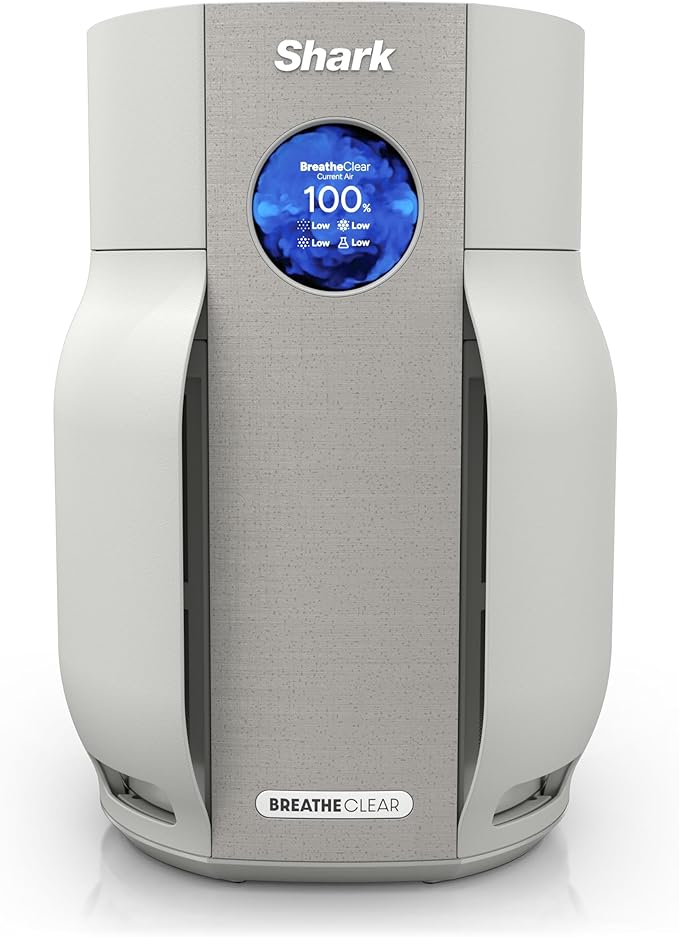
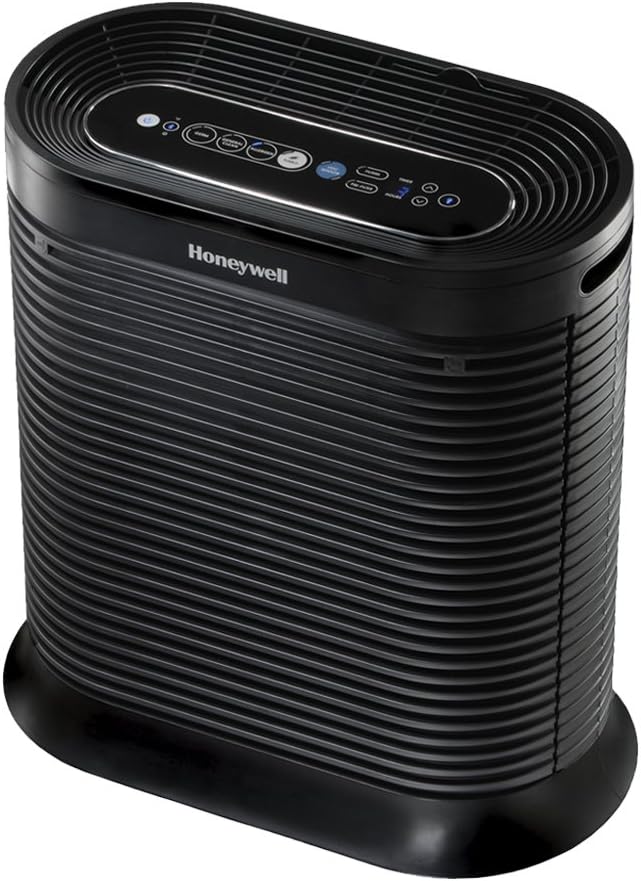
| Shark BreatheClear NeverChange | ~1,200 sq ft | NeverChange (5-year) HEPA | Low-maintenance secondary near entry |
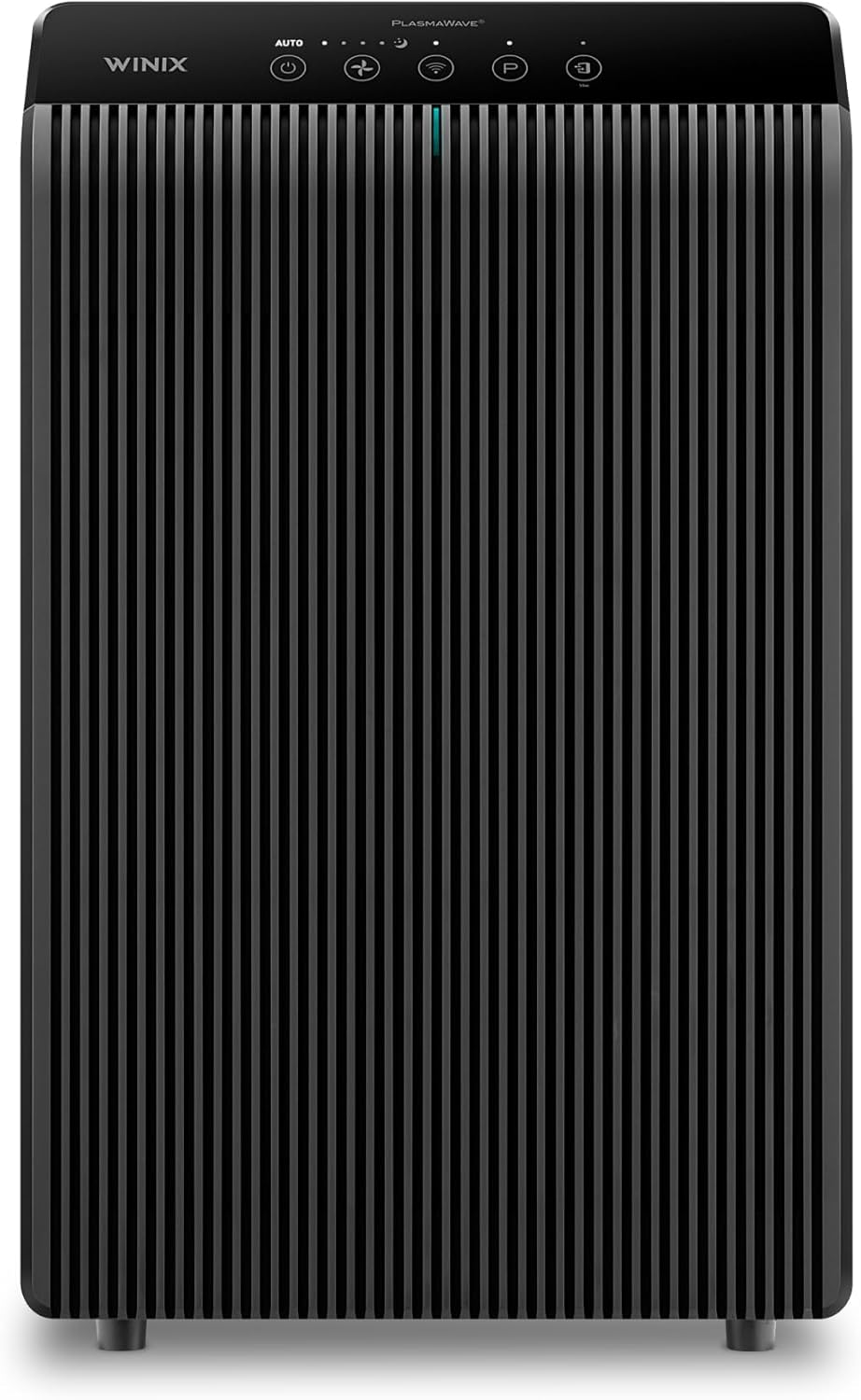
| WINIX 5510 (with App) | 360 sq ft (4.8 ACH) | True HEPA + PlasmaWave + carbon | Adjacent bedroom or reading nook |
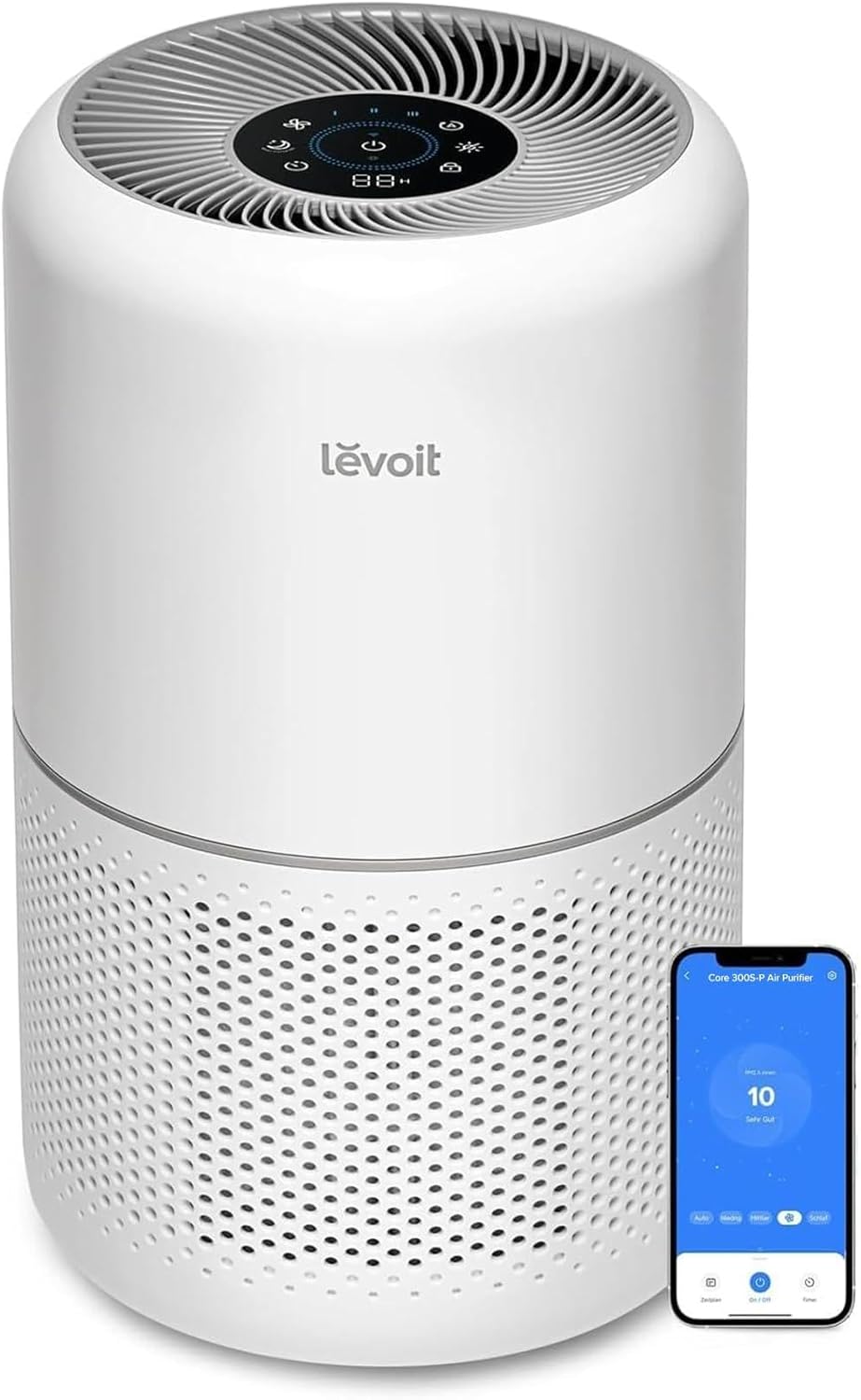
| LEVOIT Large Room 1875 Ft² | 1,875 sq ft (1 ACH) | H13 HEPA + carbon | Budget alternative to 400S |
Where to physically place the 400S in three common cathedral great-room layouts
Layout A: Rectangular great room with peak running long-axis
Place the 400S along the long wall at the room's midpoint, 12 inches off the wall. The exhaust jet rises into the peak ridge and the convection loop returns down both end-walls. This is the highest-efficiency configuration and what Coway engineers tested in their 1,560 sq ft rating.
Layout B: Square great room with center peak
Place the unit between the seating cluster and the kitchen island, equidistant from the two longest walls. Avoid corners — they create dead zones the intake can't reach. If you have a ceiling fan, run it on low in winter-mode (clockwise) to assist downward convection.
Layout C: Great room with loft overhang
The loft cuts one side of the cathedral volume. Place the 400S directly below the open vault, not under the loft — the loft creates a low-ceiling pocket the 400S handles easily, but the open vault is where stratified air pools. For loft bedrooms, add a smaller unit like the WINIX 5510 upstairs.
Top 2026 cathedral-room picks beyond the 400S
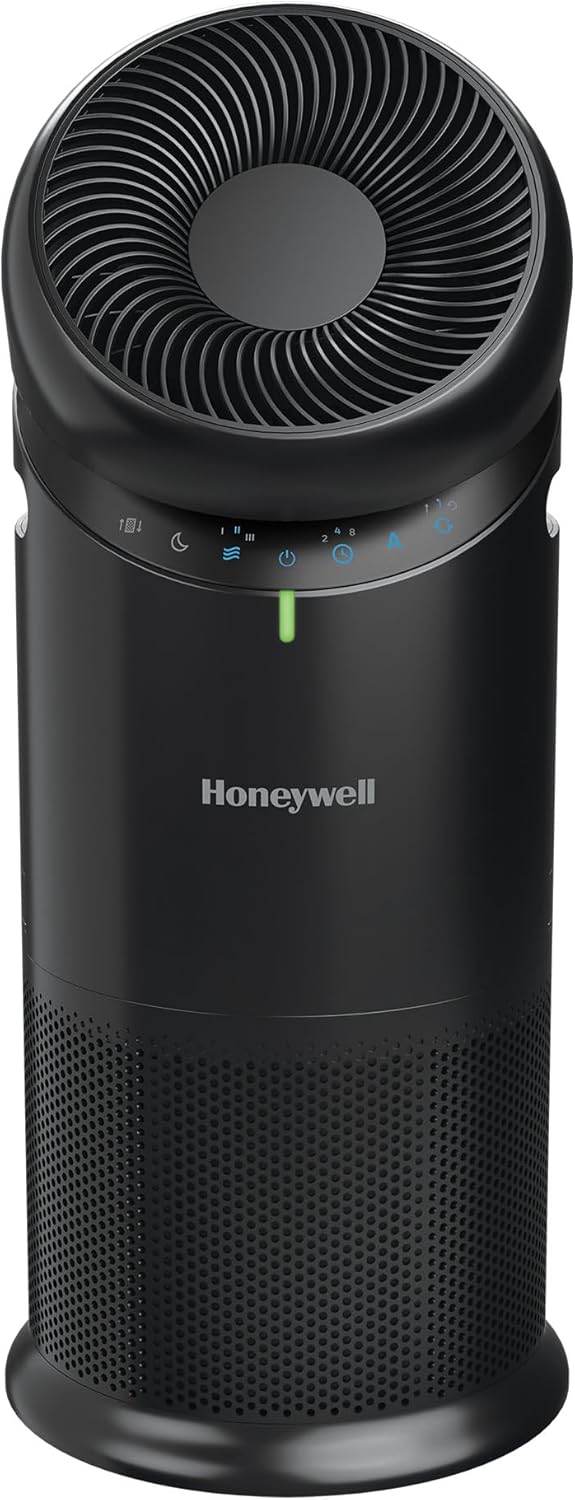
Air Purifier for Large Room up to 3000 Ft² (Double Air Intake) — best for oversized great rooms
If your cathedral great room exceeds 1,600 sq ft of footprint or opens into a kitchen, the standard 400S will struggle. This double-intake 3,000 sq ft model is engineered for exactly this scenario — dual fans pull air from both sides simultaneously, which doubles effective CADR in tall-volume rooms. Use it as the primary and skip the 400S entirely. Check the 3000 sq ft Double Intake purifier on Amazon.
EVALIT Air Purifier for Home Large Room up to 2200 Ft² — best as a 400S companion
The EVALIT 2200 sq ft uses an H13 HEPA stage (one grade above True HEPA) and pairs well as a secondary unit at the opposite end of an L-shaped great room. Place it where the 400S's airflow loop weakens — typically by the staircase or hallway entry where outside air infiltrates. View the EVALIT 2200 Ft² model.
Shark BreatheClear NeverChange — best low-maintenance option
The NeverChange filter system lasts 5 years before replacement, which matters in a great room where you might run the unit 18+ hours a day. If you hate filter changes, this is the practical pick for a permanent install behind a sofa or media console. See the Shark BreatheClear on Amazon.
LEVOIT Large Room 1875 Ft² — best budget alternative to the 400S
If the 400S's $470 price is out of budget, the LEVOIT 1875 sq ft model delivers H13 HEPA filtration at roughly half the cost. It won't match the 400S on build quality or smart-mode sensor accuracy, but for cathedral rooms under 1,400 sq ft footprint it gets you to 2 ACH. View the LEVOIT large-room model.
WINIX 5510 with App — best companion for adjacent rooms
Cathedral great rooms almost always open into adjacent spaces — a den, a loft, a dining nook. The WINIX 5510 covers 360 sq ft at 4.8 ACH and integrates with the same app ecosystem so you can run both units on schedules. View the WINIX 5510.
Common mistakes when positioning the 400S in cathedral rooms
Mistake 1: Putting it in the corner. Corners create stagnant air pockets the 360° intake can't reach. Keep at least 12 inches from any corner.
Mistake 2: Placing it under the lowest ceiling edge. The stratified warm-air layer collects under the peak, not under the eaves. Position under the peak.
Mistake 3: Blocking the top exhaust. Coffee tables, throws, or anything within 18 inches above the unit kills the convection jet. Keep the top clear.
Mistake 4: Running only on Auto in dusty rooms. Auto mode bases fan speed on the PM2.5 sensor at the unit's intake. In a cathedral room, dust collects high before the sensor sees it. Run on Smart mode level 2 minimum during peak hours.
Mistake 5: Ignoring the ceiling fan. A ceiling fan on low (downward in winter, upward in summer) is the single biggest assist to any cathedral-room purifier. It forces the stratified layer back into the intake zone.
Pre-filter and maintenance schedule for cathedral installs
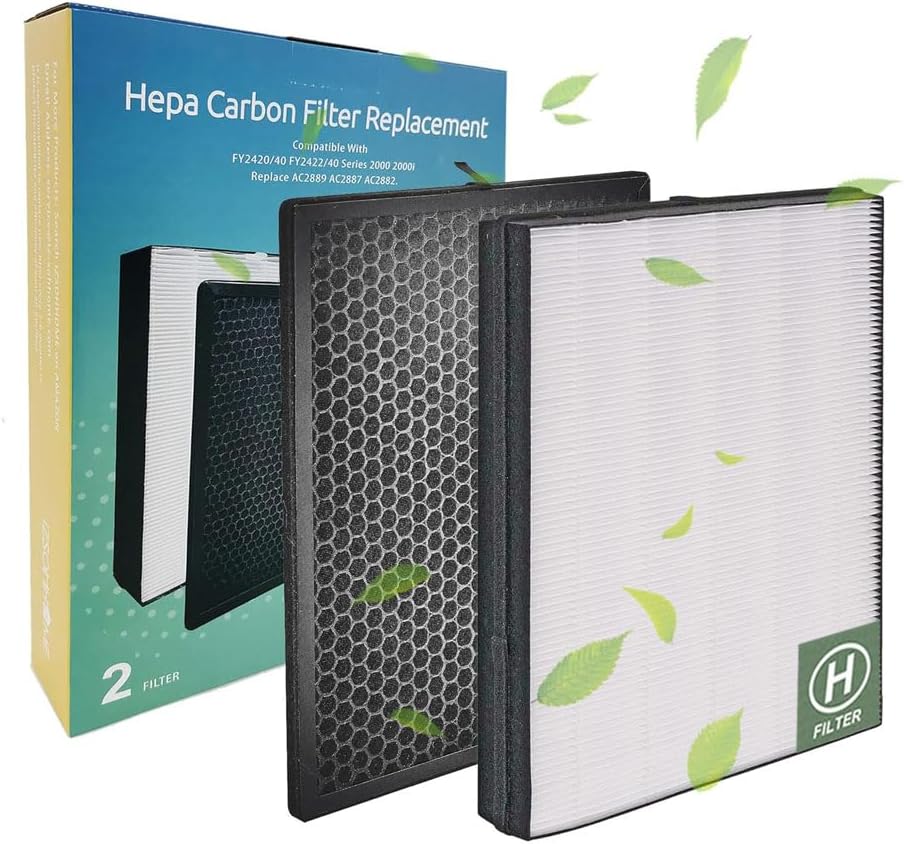
Cathedral great rooms accumulate dust faster than standard rooms because of the larger air volume drafting through the unit. Vacuum the pre-filter every 2 weeks (not the 4 weeks Coway suggests), check the True HEPA every 6 months instead of 12, and replace the carbon filter on schedule — it's the first stage to saturate from cooking VOCs in open-plan layouts. See our full filter replacement guide for exact intervals.
Pairing with HVAC and ceiling fans
If your great room has a central HVAC return high in the cathedral ceiling, the 400S becomes dramatically more effective — the HVAC pulls the stratified layer down through ducts, the 400S polishes the result. If your return is at floor level (common in older builds), the 400S has to do all the convection work itself. Read our 2026 HVAC-purifier integration guide for sizing and damper recommendations.
Frequently Asked Questions
Where should I put the Coway Airmega 400S in a 20-foot cathedral ceiling room?
Place it on the floor, under the center of the vaulted peak, 12 inches off the nearest wall, and within 8–10 feet of your primary seating. The top exhaust should have a clear vertical path to the ceiling so its jet joins the natural convection loop. Avoid corners and never elevate it on furniture.
Can the Airmega 400S handle a 1,800 sq ft cathedral great room alone?
At 1,800 sq ft of footprint with a cathedral ceiling, the 400S will achieve roughly 1.3–1.5 ACH — below the 2 ACH benchmark for allergy/asthma. You'll either need to pair it with a secondary unit like the EVALIT 2200 sq ft or upgrade to a single 3,000 sq ft double-intake model. See our large cathedral room rankings.
Should the Airmega 400S run 24/7 in a great room?
Yes, on Smart mode. Cathedral rooms re-stratify within 30–45 minutes of the unit shutting off, so cycling it on and off wastes the filtered air column you built. Smart mode drops to level 1 (27 dB, essentially silent) when air quality is clean, so 24/7 operation adds only $4–6/month to your electric bill.
Does a ceiling fan help or hurt the Airmega 400S in cathedral rooms?
It helps significantly. Run the fan on low speed, reversed for winter (clockwise from below) to push warm stratified air down the walls back into the 400S intake zone. In summer, run it counterclockwise on low for the same convection assist without the chill factor.
How far from the seating area should the Coway 400S be?
6–10 feet is the sweet spot — close enough that the clean-air loop reaches your breathing zone before it dilutes, far enough that the level 3+ fan noise (43–52 dB) isn't intrusive. Closer than 6 feet you'll hear it during quiet activities; farther than 10 feet the air mixes with unfiltered great-room volume before you breathe it.
What's the best alternative if my cathedral great room is over 2,000 sq ft?
The double-intake 3,000 sq ft model is purpose-built for this scenario — it delivers the CADR of two 400S units in a single chassis with dual-side intakes. For 2,000–2,500 sq ft, pair the 400S with the EVALIT 2,200 sq ft as a secondary at the opposite end of the room.
Do I need a separate purifier for the loft above my cathedral great room?
If the loft is open to the great room and under 400 sq ft, the 400S's exhaust will reach it via convection. If the loft is enclosed or over 400 sq ft, add a WINIX 5510 or LEVOIT large-room unit specifically for the loft — it's a separate air volume and the great-room purifier won't reliably penetrate it.
How do I know if my Airmega 400S placement is actually working?
Walk a handheld PM2.5 meter around the room at three heights — floor, seated breathing zone (about 4 feet), and 7 feet — after the unit has run on Smart mode for 90 minutes. Readings should be under 12 µg/m³ at all heights. If the 7-foot reading is 2x higher than the floor reading, your stratification loop isn't closing and you need to reposition or add a ceiling fan.
Key Takeaways
- Choosing the right how to position coway airmega 400s in cathedral ceilings means matching capacity and output ports to your actual devices
- Always check actual watt-hours (Wh), not just watts — runtime depends on Wh, not peak output
- Also covers: airmega 400s vaulted ceiling placement
- Also covers: coway purifier cathedral ceiling airflow
- Also covers: high ceiling air purifier positioning
- Compare price-per-Wh across models to find the best value for your budget