Short answer: the Levoit Core 200S for tattoo artists with ink aerosol in home studios is a solid entry-level pick for small, single-chair home tattoo rooms under about 180 sq ft, where you need quiet, app-controlled HEPA filtration parked within arm's reach of the workstation. It captures the fine ink mist generated by rotary and coil machines, traps stencil solution vapor particulates, and keeps the air around the client's face cleaner during long sessions. For anything larger than a converted bedroom, or studios that also do laser removal, you'll want to size up to a higher-CADR unit, which we'll cover below with real product picks.
This guide is written for working artists, not lab technicians. We're going to talk about ink aerosol specifically — the ultrafine droplets thrown off by needle groupings traveling at 50–150 Hz — not generic "dust and pollen." That distinction matters because ink aerosol particles routinely fall in the 0.3–2.5 µm range, which is exactly where True HEPA filtration earns its keep.
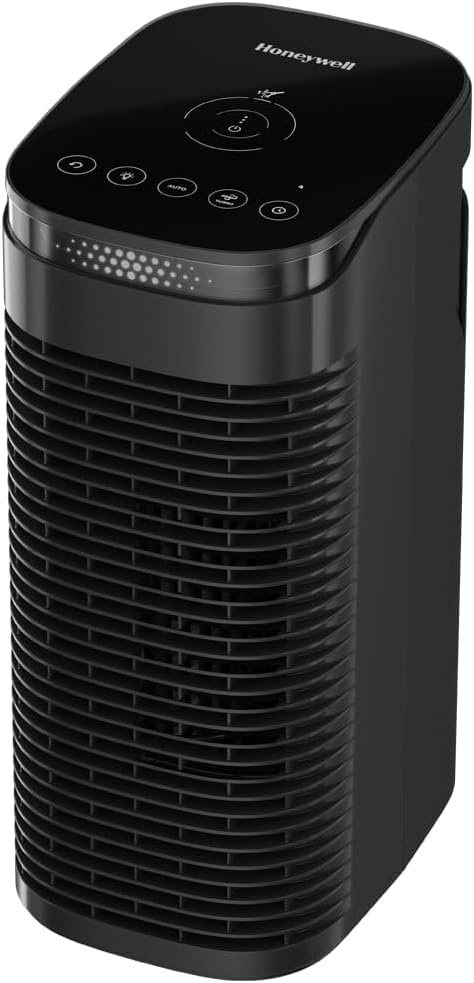
Why the Levoit Core 200S Works for Home Tattoo Studios
The Core 200S is Levoit's compact smart tower: roughly 14.5 inches tall, three-stage filtration (pre-filter, True HEPA, activated carbon), VeSync app, and a CADR around 110 m³/h. For a 10x12 ft home tattoo room with 8 ft ceilings (roughly 960 cu ft), it can cycle the room's air about 4–5 times per hour on medium — the threshold most occupational-hygiene guidance points to for art studios with aerosol generation.
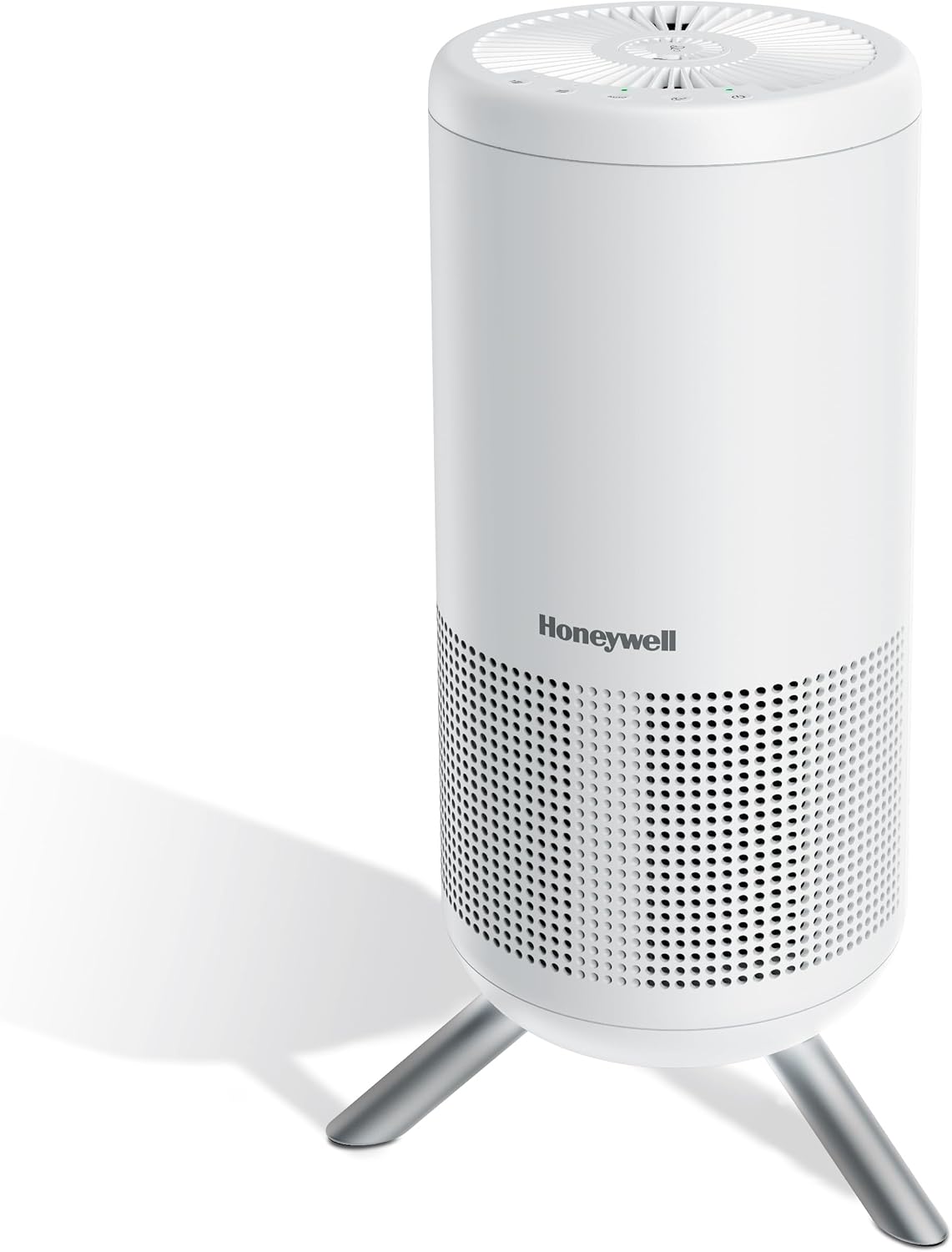
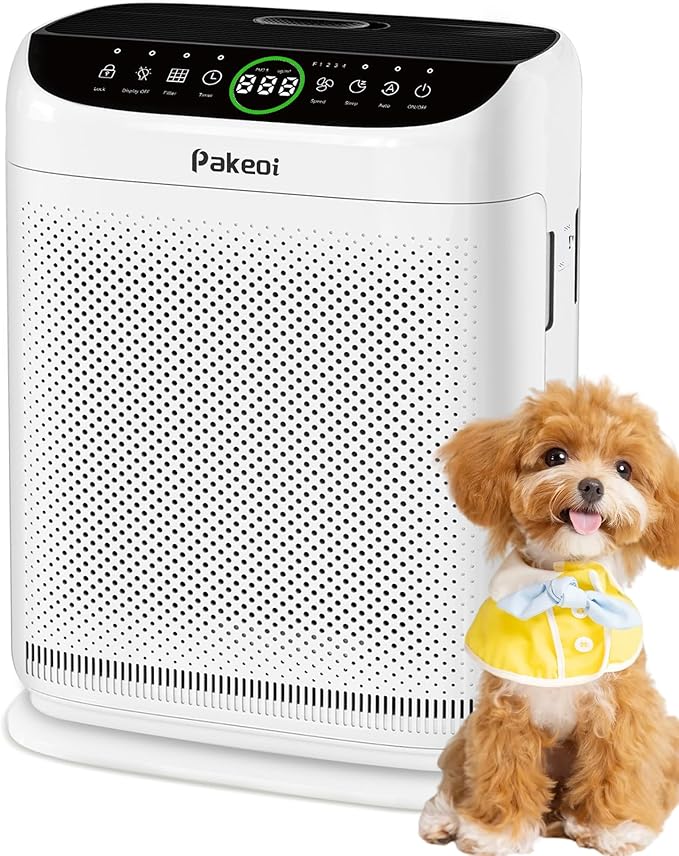
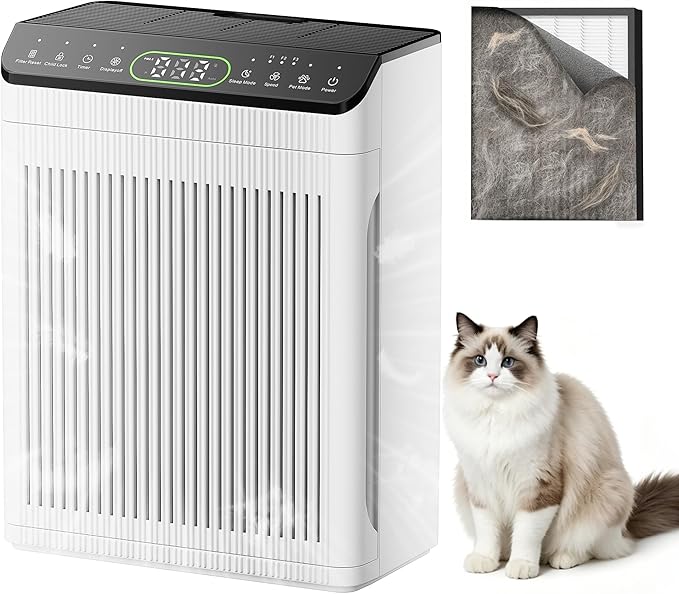
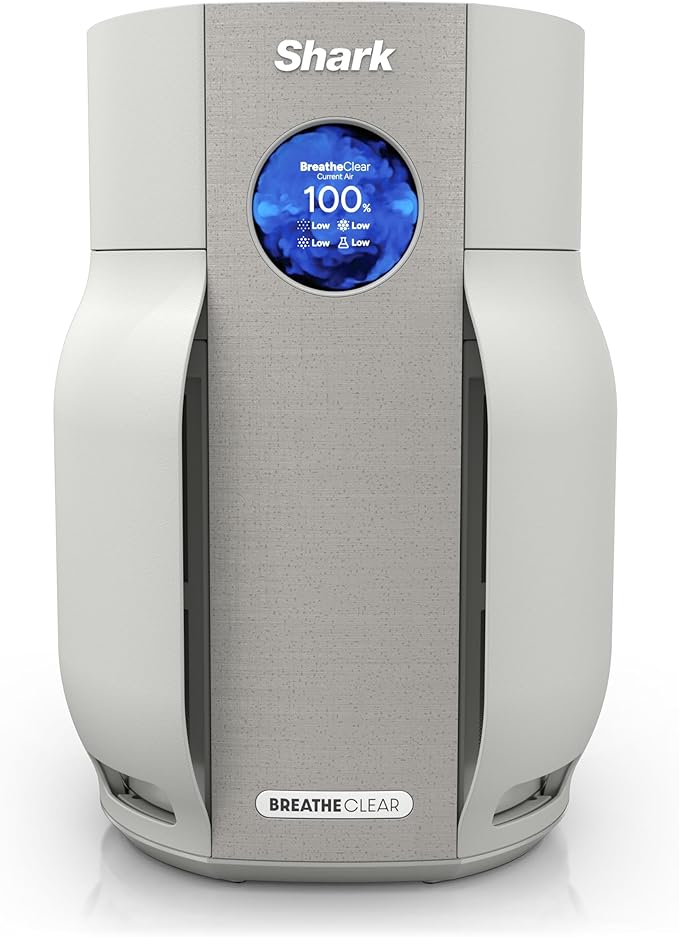
The reason artists keep landing on this specific model for levoit core 200s for tattoo artists with ink aerosol in home studios setups comes down to four things:
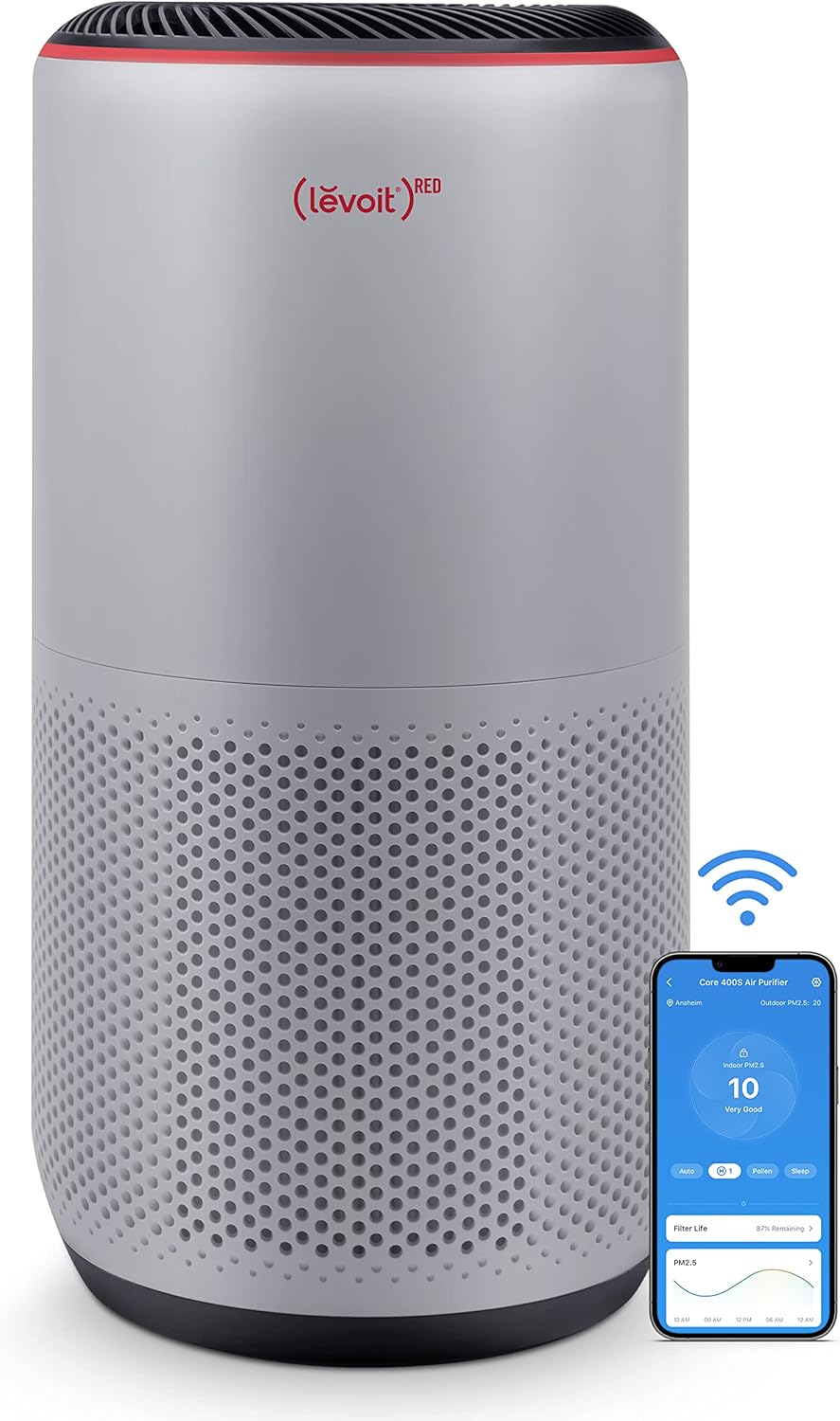
- Footprint. 8.1" diameter base. It fits under a tattoo bed or on a rolling cart next to your tray without eating elbow room.
- Noise floor. 24 dB on sleep mode, around 46 dB on medium. You can run it through a 4-hour back piece without your client raising their voice.
- Schedule + app control. You can pre-purge the room 30 minutes before the client arrives and ramp it back down after they leave, all from your phone while you're prepping stencils.
- True HEPA, not "HEPA-type." The H13 grade captures 99.97% of particles at 0.3 µm, which is the size band where atomized ink and stencil-stick spray live.
What it is not: a VOC scrubber for green soap, A&D, or solvent-based stencil products. The carbon layer in the 200S is thin — fine for body odor and light cleaner smell, not for hours of aerosolized isopropyl. If solvents are a constant in your workflow, plan to add ventilation (a window fan exhausting outward) on top of the purifier, or step up to a unit with a thicker carbon bed.
Sizing: When the Core 200S Is Right, and When to Go Bigger
The honest sizing rule for tattoo work is to aim for 5 air changes per hour (ACH) minimum at your normal fan setting — not the marketing "max" setting nobody actually runs at because it sounds like a vacuum. Here's how that pencils out:
| Room Size | Ceiling | Cubic Feet | Core 200S ACH (medium) | Recommendation |
|---|---|---|---|---|
| 8x10 ft | 8 ft | 640 | ~6.6 | Core 200S is plenty |
| 10x12 ft | 8 ft | 960 | ~4.4 | Core 200S borderline; run on high during session |
| 12x15 ft | 9 ft | 1,620 | ~2.6 | Step up to a 1,500–2,000 sq ft unit |
| Open basement studio | 8 ft | 3,000+ | <2 | Step up to a 2,500–3,000 sq ft unit, or run two purifiers |
If your space is in that bottom half of the table, the Core 200S isn't wrong — it's just undersized. Below are the real, in-stock 2026 picks we'd put on a working artist's shortlist for those larger rooms, including a couple we'd specifically pair with the Core 200S in a two-purifier layout (one at the chair, one across the room as a general scrubber).
Best Step-Up Pick for Larger Home Studios: LEVOIT Air Purifier for Home Large Room up to 1875 Ft²
If you've outgrown the Core 200S but want to stay in the Levoit/VeSync ecosystem so all your scheduling and air-quality alerts live in one app, this is the natural upgrade. It uses the same H13 True HEPA grade, but the CADR is roughly 4x higher and the carbon stage is meaningfully thicker, so it actually keeps up with green soap and stencil solution vapor in a 12x15 ft room. We'd put this across from the chair, pointed toward the ceiling, and let the Core 200S sit on the cart near the needle. Check price on Amazon.
Best for Converted Garage or Basement Studios: Air Purifier for Large Room up to 3000 Ft², Double Air Intake
For a converted garage tattoo space — very common for artists working out of home — the cubic volume gets ugly fast because ceilings are often 9–10 ft and there's no internal door to contain the aerosol. A 3000 sq ft-rated unit with dual intake gives you headroom to actually hit 5 ACH in that volume, and the dual-intake design pulls from both sides of the room instead of just sucking from whatever's directly in front of it. Place it between the chair and the garage door for best results. Check price on Amazon.
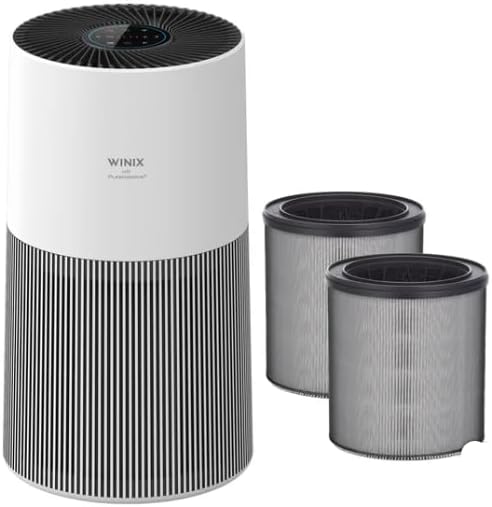
Best Smart Pick if You Want App + Auto Mode: WINIX 5510 with App Support
The Winix 5510 is the app-enabled successor to the much-loved 5500-2 that artists have been quietly running in studios for years. The True HEPA + activated carbon stack is well-suited to ink aerosol plus the light solvent load from stencil work, and the PlasmaWave stage can be toggled off if you (or clients) prefer no ionization in the room. Auto mode actually responds to particulate spikes — when you start the machine and the aerosol cloud forms over the stencil, it ramps up within 30 seconds. Check price on Amazon.
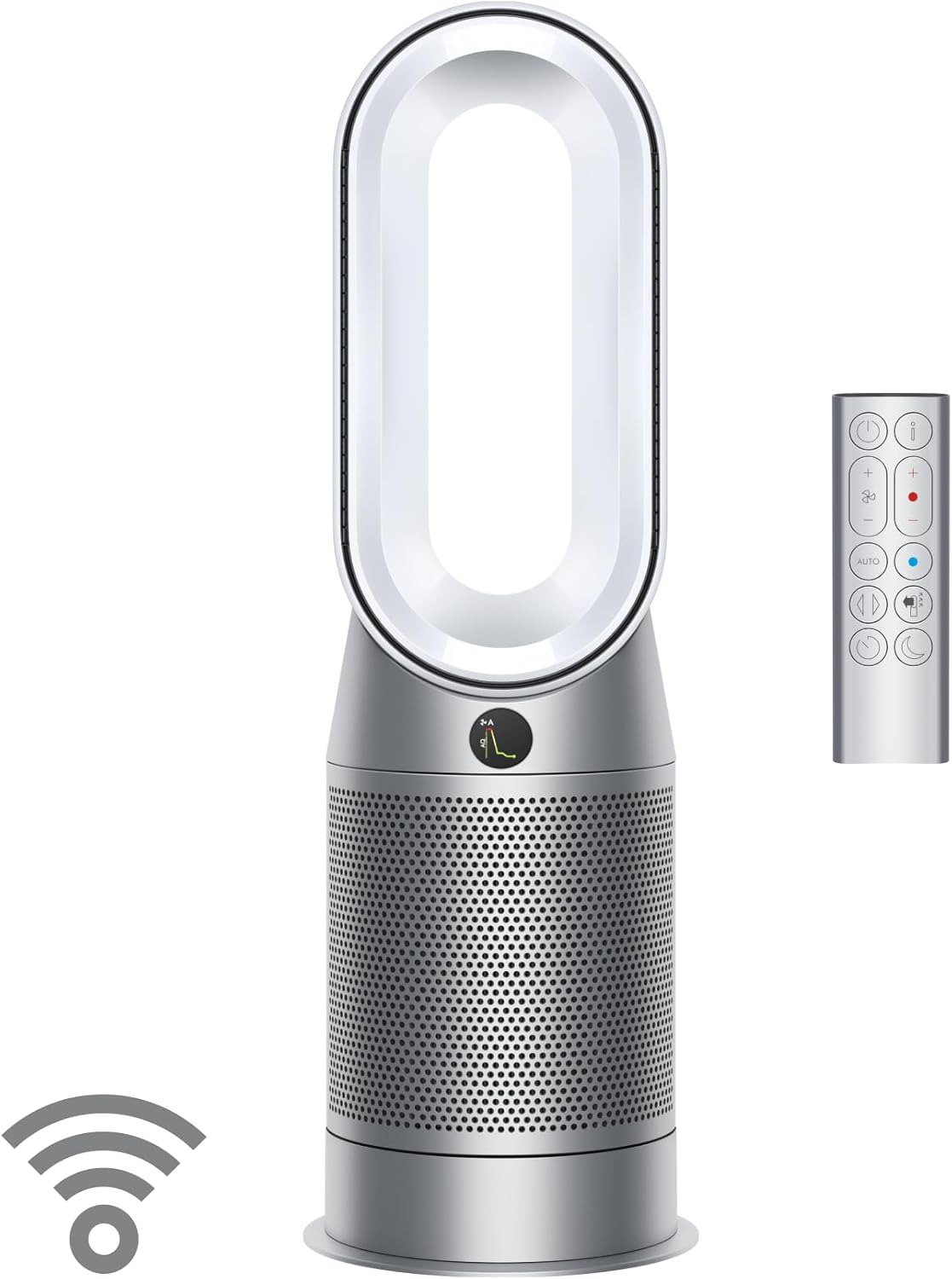
Best No-Replacement-Filter Option: Shark BreatheClear NeverChange Intelligent Air Purifier
If you do a lot of color packing — which throws more ink aerosol than line work — you'll burn through HEPA filters faster than the spec sheet says. Shark's NeverChange architecture is appealing for an artist who doesn't want to remember another consumable schedule on top of cartridges, ink caps, and barrier film. The trade-off is a higher up-front price; the math works out in your favor after roughly 18–24 months of heavy use compared to replacing premium HEPA cartridges every 6 months. Check price on Amazon.
Best Value for Multi-Room Home Studios: EVALIT Air Purifier for Home Large Room up to 2200 Ft²
If your "home studio" is really a tattoo room plus an adjacent waiting area or sterilization corner, a 2200 sq ft unit parked in the doorway between them gives you one machine doing the work of two. The EVALIT runs quiet enough at low/medium that you can keep it on continuously between clients without it becoming a distraction during consultations. Check price on Amazon.
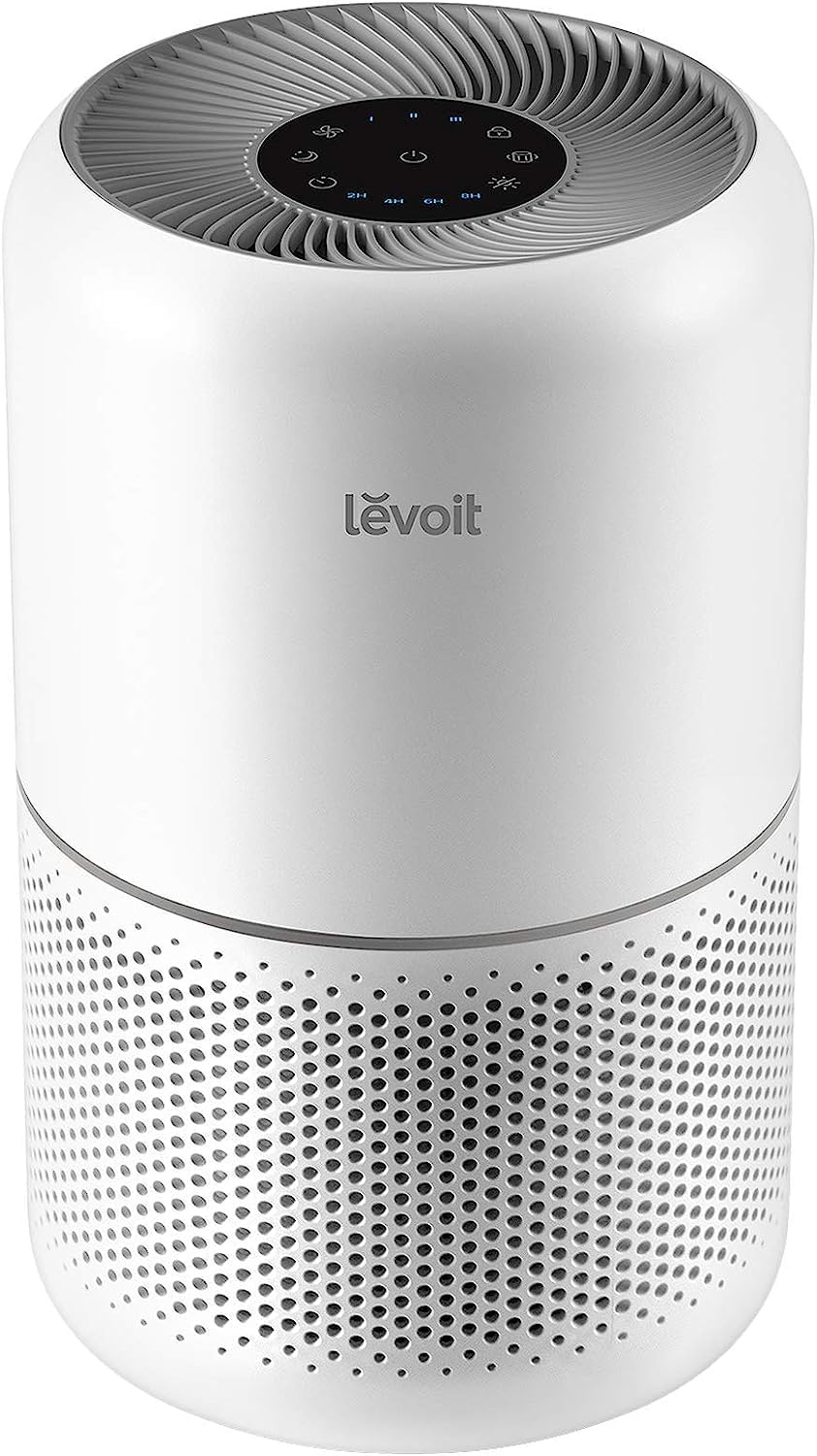
Placement: Where to Put the Core 200S in a Home Tattoo Room
This is where a lot of artists waste the purifier they just bought. The Core 200S draws air in through its 360° base intake and exhausts upward. To capture ink aerosol effectively, you want it:
- Within 3–4 feet of the tattoo machine, on the opposite side from the client's face. The aerosol plume rises and drifts — you want the purifier intercepting it before it crosses the client's breathing zone.
- On a cart or stool at roughly bench height, not on the floor. Floor placement makes it suck up boot scuff and lint before it gets to the ink mist.
- Not directly under an HVAC supply vent, which will short-circuit the airflow and trick the auto-mode sensor.
- Started 20–30 minutes before the session, so the room is already at baseline when the client sits down.
For longer reads on layout and airflow, see our air purifier placement guide for home studios and our breakdown of HEPA vs. carbon filtration for art studios.
Filter Replacement Reality for Tattoo Use
Levoit rates the Core 200S replacement filter at 6–8 months under "normal home use." Tattoo work is not normal home use. Realistic numbers for a working artist:
- Part-time (2–3 sessions/week): 5–6 months
- Full-time (5+ sessions/week, mixed line and color): 3–4 months
- Heavy color packing or stencil-heavy workflow: 2–3 months
Buy filters two at a time, and write the install date on the cartridge in Sharpie before you put it in — the app's filter-life percentage drifts and isn't a great signal for aerosol-heavy use. If you're burning through cartridges faster than this, see the Shark NeverChange option above or our guide to washable-filter purifiers for 2026.
What the Core 200S Won't Solve
Be honest with yourself about scope. The levoit core 200s for tattoo artists with ink aerosol in home studios use case does not replace:
- Bloodborne pathogen controls. Air purification is not infection control. Surface disinfection, single-use barriers, and sharps handling still apply.
- OSHA-level engineering controls for laser removal. If you're doing tattoo removal in the same room, you need dedicated laser plume evacuation, not a residential HEPA unit.
- Ventilation code requirements. Some municipalities require mechanical ventilation for tattoo studios even in home settings. Check your local code before relying on a purifier alone.
Frequently Asked Questions
Is the Levoit Core 200S good enough for ink aerosol from a coil machine in a home studio?
Yes, for rooms up to about 180 sq ft with 8 ft ceilings. Coil machines actually produce slightly less aerosol than high-RPM rotaries because the needle excursion is shorter, so if anything the Core 200S is a more comfortable fit for traditional setups. Run it on medium during the session and the H13 True HEPA stage will capture the fine ink mist before it reaches the client's breathing zone.
Will the Core 200S filter out stencil solution vapor in a small tattoo room?
Partially. The activated carbon layer in the 200S is thin and intended for light household odors, not sustained solvent vapor. It will knock down the smell, but it won't fully scrub airborne stencil solution VOCs. For workflows heavy on alcohol-based stencil products, crack a window or add a low-CFM exhaust fan on top of the purifier — see our purifier vs. exhaust fan comparison.
How loud is the Levoit Core 200S during a long tattoo session?
At sleep setting it's around 24 dB, which is quieter than most clients' breathing. On medium it sits near 46 dB — about the volume of a quiet refrigerator. You can hold a normal-voice conversation through a 4–6 hour session without raising your voice. On high it climbs to ~52 dB, which is fine for purging the room between clients but distracting during detail work.
How often should I change the Core 200S filter if I tattoo full-time at home?
Plan on every 3–4 months for a 5+ session/week workload, and every 2–3 months if you do a lot of color packing. The factory 6–8 month estimate assumes normal home dust and pollen, not pigmented aerosol. Order replacement filters in pairs and label the install date on the cartridge with Sharpie — the app's filter-life percentage isn't reliable for aerosol-heavy use.
Should I run two air purifiers in a home tattoo studio, or just one bigger one?
For rooms under 200 sq ft, one Core 200S near the chair is plenty. For 200–400 sq ft, a single mid-size unit (like the Levoit 1875 sq ft model) is simpler. Above 400 sq ft, or in any garage/basement conversion with high ceilings, two purifiers usually beats one giant one — one within 3 ft of the needle as a source-capture device, and a larger unit across the room as a general air scrubber.
Where exactly should I place the Core 200S relative to the tattoo chair?
Put it on a cart or stool at roughly bench height, 3–4 feet from the tattoo machine, on the side opposite the client's face. The 360° intake pulls ink aerosol out of the air before it can drift across the client's breathing zone, and the upward exhaust avoids blowing dust off your tray. Floor placement is a common mistake — it wastes filter life on boot scuff and lint.
Is the Levoit Core 200S enough for a home studio that also does laser tattoo removal?
No. Laser tattoo removal produces a chemical and particulate plume that residential HEPA units are not engineered to handle, and most jurisdictions require dedicated laser smoke evacuation as an engineering control. Use the Core 200S for your tattooing room and invest in a proper plume evacuator for any laser work. See our laser plume evacuator vs. air purifier guide for what to look for.
Bottom Line
For a single-chair home tattoo room under 180 sq ft, the Levoit Core 200S is a defensible, quiet, app-controlled choice that handles ink aerosol from both coil and rotary machines well. It is not a one-size-fits-all answer — converted garages, basement studios, and multi-room home setups need more CADR and a thicker carbon bed. Match the unit to your actual cubic volume, place it within 3–4 feet of the machine, change filters on a tattoo-realistic schedule, and don't ask the purifier to do the job of ventilation or laser plume evacuation. Do that and your air quality — and your clients' comfort during long sessions — will be measurably better in 2026.
Key Takeaways
- Choosing the right levoit core 200s for tattoo artists with ink aerosol in home studios means matching capacity and output ports to your actual devices
- Always check actual watt-hours (Wh), not just watts — runtime depends on Wh, not peak output
- Also covers: levoit core 200s tattoo studio air purifier
- Also covers: best air purifier home tattoo booth ink mist
- Also covers: levoit 200s for tattoo artist aerosolized pigment
- Compare price-per-Wh across models to find the best value for your budget